Tariff Tremors Are Reshaping Global Supply Chains and Rewiring Investor Portfolios
There's a quiet but unmistakable rewiring happening across global markets — one that isn't showing up loudly in headlines but is carving deep channels through earnings reports, capital expenditure plans, and…
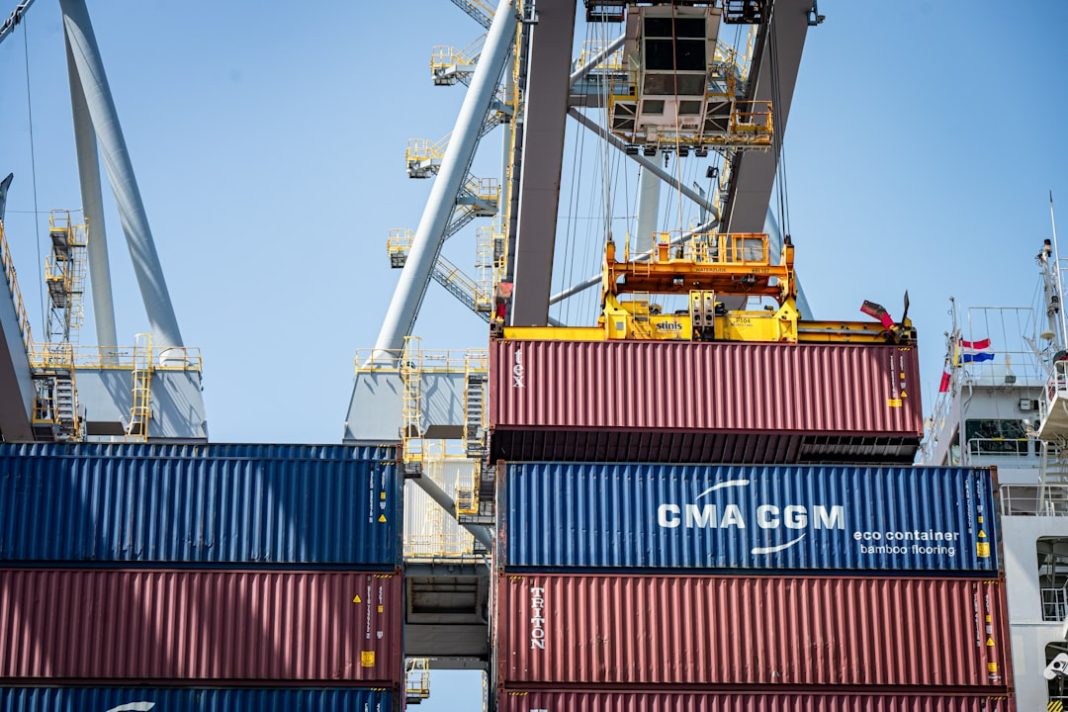
There’s a quiet but unmistakable rewiring happening across global markets — one that isn’t showing up loudly in headlines but is carving deep channels through earnings reports, capital expenditure plans, and currency flows. The trade policy impact of the past several years has moved well beyond the realm of diplomatic negotiation and landed squarely on the balance sheets of companies you likely hold in your portfolio. For investors who haven’t updated their frameworks, the risk isn’t just theoretical — it’s already showing up in margins.
The broad architecture of global trade has undergone a structural shift. Where markets once priced in a largely open, rules-based trading environment, the new reality is one of targeted tariffs, nearshoring incentives, bilateral deal-making, and strategic sector protections. The United States has maintained and in some cases expanded duties on a wide range of imported goods — from semiconductors and electric vehicle components to steel and agricultural inputs — while simultaneously deploying industrial policy tools to encourage domestic manufacturing. The trade policy impact on multinational corporations has been profound: companies that once optimized entirely for cost efficiency are now optimizing for supply chain resilience, regulatory compliance across multiple jurisdictions, and geopolitical risk tolerance.
Key Takeaways:
- Sector rotation is accelerating: Industries with deep domestic supply chains — including defense, utilities, and domestically focused industrials — are outperforming peers with heavy import exposure as trade policy tightens.
- Margin pressure is sector-specific: Consumer discretionary and technology hardware companies face the most direct earnings headwinds from ongoing tariffs, and forward guidance from these sectors warrants close scrutiny.
- Currency dynamics matter more than ever: Trade policy shifts are influencing dollar strength and emerging market currency volatility, creating both hedging opportunities and risks for globally diversified portfolios.
- Policy risk is now a permanent variable: Investors should treat trade policy impact as a recurring line item in their risk assessments, not an episodic disruption.
Where the Pressure Points Are Building
For retail investors, the most actionable lens is sector allocation. Technology hardware companies — particularly those manufacturing or sourcing components from Asia — continue to grapple with elevated input costs and logistical complexity. Firms that haven’t yet completed meaningful supply chain diversification are exposed to both tariff-driven cost increases and the operational drag of restructuring on the fly. Earnings calls this cycle have reflected a notable divergence: companies with nearshored or friend-shored supply chains are reporting stable or improving gross margins, while those still heavily reliant on traditional sourcing corridors are flagging compression.
The industrial sector tells a more nuanced story. Domestic manufacturers of steel, aluminum, and advanced machinery are benefiting from protective duties, and capital flows have followed. Infrastructure buildout — driven in part by legislation incentivizing domestic content — has created a durable tailwind for a subset of industrials that many retail investors overlooked during the era of zero-interest-rate growth stock euphoria. The trade policy impact here is constructive, and the investment thesis for domestic-facing industrials remains intact as long as policy continuity holds.
Institutional investors are approaching this environment with a sharper focus on currency hedging and emerging market exposure. Countries that have positioned themselves as alternative manufacturing hubs — Vietnam, Mexico, India, and parts of Eastern Europe — are seeing increased foreign direct investment and improving trade balances with the United States. For portfolio managers with international equity exposure, this creates a compelling argument for selective overweights in these geographies, particularly in export-oriented sectors where U.S. import demand is substituting away from higher-tariff sources. However, these plays are not without risk: any shift in bilateral trade agreements or sudden policy escalation can reprice these positions quickly.
Building a Portfolio That Can Navigate Policy Uncertainty
Domestic manufacturers of steel, aluminum, and advanced machinery are benefiting from protective duties, and capital flows have followed.
The challenge for both retail and institutional investors is that trade policy, unlike interest rates, doesn’t follow a predictable committee schedule. It can accelerate, reverse, or expand based on diplomatic developments, election outcomes, and retaliatory actions from trading partners. This unpredictability demands a more dynamic approach to portfolio construction than most investors have historically applied.
Diversification across geographies and supply chain profiles — rather than simply across sectors — is becoming the more meaningful risk management lever. An investor holding multiple technology companies, for example, may believe they’re diversified, but if all of those companies source from the same region or face the same tariff schedules, the correlation in stress scenarios is high. Breaking down holdings by supply chain geography and tariff exposure adds a layer of analysis that increasingly separates sophisticated portfolio construction from surface-level diversification.
Commodity-linked assets also deserve attention in this framework. Tariffs on raw materials and intermediate goods tend to ripple through pricing in ways that lift revenue for domestic producers while pressuring downstream manufacturers. Investors with exposure to domestic copper, aluminum, or rare earth producers may find that the trade policy impact is net positive for those positions, even as it creates headwinds elsewhere in the portfolio.
Looking ahead, the trajectory of trade policy is unlikely to reverse toward the open multilateralism of two decades ago. Whether under the current administration or the next, the strategic logic of protecting critical industries and reducing dependence on potentially adversarial supply chains has bipartisan support and deep structural momentum. For investors, this is less a temporary disruption to navigate and more a permanent feature of the investment landscape to incorporate. Those who treat trade policy impact as a core variable in their analysis — alongside earnings growth, interest rate sensitivity, and valuation multiples — will be better positioned to identify the winners of this new era before the broader market does. The investors who wait for clarity may find that by the time the picture is fully legible, the best opportunities have already been priced in.