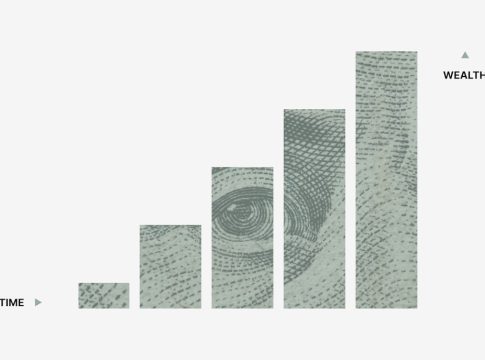
The Truth About Retirement Fund Performance Every Everyday Investor Needs to Hear
Most people spend decades contributing to retirement accounts without ever truly understanding what drives the numbers on their quarterly statements. Retirement fund performance is not a passive outcome — it…

Most people spend decades contributing to retirement accounts without ever truly understanding what drives the numbers on their quarterly statements. Retirement fund performance is not a passive outcome — it is the result of deliberate decisions, market awareness, and a willingness to revisit your strategy as circumstances evolve. For everyday investors who are not financial professionals, cutting through the noise can feel overwhelming. But the good news is that the principles behind strong performance are far more accessible than the industry sometimes makes them appear.
At its core, retirement fund performance is measured by how effectively your portfolio grows over time relative to your contributions, fees, inflation, and risk tolerance. A fund that returns 7% annually on paper might only deliver 5% in real purchasing power after inflation is factored in. This gap is something many investors overlook entirely, focusing instead on headline returns without digging deeper. Understanding the difference between nominal and real returns is one of the first things financial advisors emphasize — and for good reason. Over a 30-year retirement horizon, even a 1% annual difference in real returns can translate into tens of thousands of dollars in lost wealth.
One of the most consistent findings in retirement research is that fees quietly destroy long-term fund performance. Expense ratios, management fees, and advisory charges may seem small in isolation, but compounded over decades, they represent a staggering drag on portfolio growth. A fund charging 1.2% annually versus one charging 0.2% can cost an investor hundreds of thousands of dollars over a working lifetime, assuming identical underlying performance. Low-cost index funds have become a cornerstone recommendation among financial experts for this exact reason. They offer broad diversification, minimal management fees, and historically competitive returns compared to many actively managed alternatives.
Asset allocation is another critical lever that shapes retirement fund performance more than most investors realize. The traditional model of shifting from equities toward bonds as you age has been refined significantly in recent years. With people living longer and needing portfolios that can sustain withdrawals for 25 to 35 years in retirement, staying overly conservative too early can be just as dangerous as being overly aggressive. A portfolio that is too bond-heavy in the early years of retirement risks running out of money before the investor does — a scenario financial planners call sequence-of-returns risk. Maintaining a meaningful allocation to equities, even in retirement, has become a widely accepted strategy for preserving long-term purchasing power.
Diversification is often talked about in vague terms, but its impact on retirement fund performance is concrete and measurable. A portfolio spread across domestic equities, international stocks, real assets, and fixed income behaves very differently from one concentrated in a single sector or geography. When one segment underperforms — which will inevitably happen — a diversified portfolio absorbs the shock more gracefully. International exposure, in particular, has become increasingly important as global markets mature and correlations between domestic and international returns shift. Investors who ignored international diversification in certain periods paid a real price in missed growth opportunities.
One of the most consistent findings in retirement research is that fees quietly destroy long-term fund performance.
Rebalancing is a discipline that separates attentive investors from passive ones. Over time, strong-performing assets grow to represent a larger share of a portfolio than originally intended, increasing risk beyond the investor’s comfort level. Systematic rebalancing — typically annually or when allocations drift by more than a set threshold — keeps the portfolio aligned with its original strategy and can actually enhance retirement fund performance by enforcing a buy-low, sell-high discipline. It sounds mechanical, but the behavioral benefit is enormous. Rebalancing also forces investors to engage with their portfolios rather than ignoring them during volatile periods.
Tax efficiency is another dimension of retirement fund performance that rarely gets the attention it deserves. The type of account holding a particular investment matters greatly. Placing high-growth assets in tax-advantaged accounts like a Roth IRA, where gains are sheltered from taxation, and holding less tax-efficient investments in traditional accounts can meaningfully improve after-tax returns. Tax-loss harvesting — selling underperforming positions to offset gains elsewhere — is a strategy used by sophisticated investors to reduce annual tax liability and keep more capital working in the portfolio. These moves do not require a financial genius; they require awareness and consistency.
Perhaps the most underappreciated factor in retirement fund performance is investor behavior itself. Studies consistently show that individual investors underperform the very funds they invest in because of poorly timed decisions — buying after markets have surged and selling during downturns. Emotional investing is the enemy of compounding. Developing a written investment policy statement, automating contributions, and committing to a long-term strategy before markets become turbulent are practical tools that protect investors from their own instincts. Working with a fee-only financial advisor who is legally obligated to act in your interest can also provide the accountability and expertise needed to stay on course.
Retirement fund performance is ultimately not about picking the hottest fund or timing the market perfectly. It is about making informed, consistent, and disciplined choices across decades. Investors who control what they can — fees, diversification, tax efficiency, and behavior — give themselves the best possible chance of reaching retirement with a portfolio that actually delivers the security they worked so hard to build. The complexity of the financial world does not have to be paralyzing. With the right framework, even everyday investors can make decisions that compound powerfully over time.