The Truth About Retirement Fund Performance Every Everyday Investor Needs to Hear
Most people assume their retirement savings are working hard simply because they set them up years ago and occasionally glance at a statement. The reality is far more nuanced — and potentially costly…

Most people assume their retirement savings are working hard simply because they set them up years ago and occasionally glance at a statement. The reality is far more nuanced — and potentially costly. Retirement fund performance is not a passive outcome. It is the result of deliberate decisions, ongoing monitoring, and the kind of strategic thinking that separates confident retirees from those who scramble in their final working years. Whether you have decades ahead of you or are approaching the finish line, understanding what drives fund performance is one of the most valuable financial skills you can develop.
What Retirement Fund Performance Actually Measures
Before you can improve your retirement fund performance, you need to understand what it actually reflects. Performance isn’t simply about the percentage return printed on your quarterly statement. It encompasses risk-adjusted returns, benchmark comparisons, fee drag, inflation impact, and how well your portfolio aligns with your retirement timeline.
A fund that returned 8% last year may sound impressive, but if the benchmark index returned 11% and your fund charged a 1.2% management expense ratio (MER), you likely underperformed in a meaningful way. Fees compound just like returns do — only in the wrong direction. Research from Morningstar consistently shows that funds with lower cost structures tend to outperform higher-cost peers over long periods, not because of superior management, but simply because less money is being siphoned away.
Inflation is another silent factor. With consumer prices fluctuating significantly over recent years, a nominal 6% return that barely outpaces a 5% inflation rate is doing far less work than it appears. Real return — the growth of your purchasing power — is the metric that actually matters in retirement planning.
Asset Allocation Strategies That Strengthen Long-Term Returns
Asset allocation is arguably the single biggest driver of retirement fund performance over time. Studies dating back to Brinson, Hood, and Beebower’s landmark 1986 research have shown that asset allocation accounts for over 90% of a portfolio’s variability in returns. Getting this right is not about chasing trends — it’s about designing a structure suited to your age, risk tolerance, and retirement horizon.
Younger investors with 25 or more years before retirement can typically afford a heavier equity allocation. Historically, diversified equity portfolios have delivered higher long-term returns than bonds or cash equivalents, though with greater short-term volatility. As retirement nears, gradually shifting toward more conservative holdings — quality bonds, dividend-paying equities, and income-generating assets — helps protect accumulated wealth from market downturns that could be devastating if they occur in the years just before or after you stop working.
- Equity diversification: Spread investments across domestic, international, and emerging market equities to reduce concentration risk.
- Bond laddering: Stagger bond maturities to manage interest rate risk and ensure liquidity at different intervals.
- Rebalancing discipline: Set calendar or threshold-based rebalancing rules to prevent drift from your target allocation.
- Alternative assets: Real estate investment trusts (REITs) and infrastructure funds can add income and inflation protection.
Asset allocation is arguably the single biggest driver of retirement fund performance over time.
The key is consistency. Emotional decision-making — panic-selling during downturns or chasing last year’s top-performing sector — remains one of the most destructive forces in retirement investing.
Evaluating Fund Managers and Investment Vehicles
Not all retirement funds are created equal, and evaluating the vehicles holding your money is a critical step in optimizing retirement fund performance. The ongoing debate between actively managed funds and passive index funds has largely tilted toward index investing based on long-term data. The S&P Indices Versus Active (SPIVA) reports have repeatedly shown that the majority of actively managed funds fail to beat their benchmarks over 10 to 15-year periods after fees are accounted for.
This doesn’t mean active management is never appropriate. Certain asset classes — such as small-cap equities, emerging markets, or high-yield bonds — can offer alpha opportunities for skilled managers. The critical question is whether the premium you pay in fees is justified by consistently superior, risk-adjusted returns over full market cycles, not just one or two standout years.
Target-date funds have grown in popularity as a hands-off option, automatically shifting toward conservative allocations as your retirement year approaches. They offer simplicity, but investors should scrutinize the underlying holdings, glide path aggressiveness, and — once again — the fee structure. Two target-date funds with the same end date can have dramatically different compositions and cost profiles.
Monitoring Performance Without Overreacting to Short-Term Noise
There is a meaningful difference between staying informed and obsessively monitoring your portfolio. Retirement fund performance should be reviewed regularly — quarterly reviews are widely recommended — but decisions should be anchored in long-term strategy, not recent market headlines.
Useful benchmarking involves comparing your fund’s performance against an appropriate index. A balanced 60/40 portfolio should not be compared to a pure equity index. Apples-to-apples comparisons reveal whether your fund is genuinely adding value or simply riding broad market momentum.
Tax efficiency is another dimension that many investors overlook entirely. Holding tax-inefficient assets — like high-turnover active funds or interest-bearing bonds — inside tax-advantaged accounts such as RRSPs, 401(k)s, or IRAs, while keeping tax-efficient equities in taxable accounts, is a strategy known as asset location. Done well, it can meaningfully improve your after-tax retirement fund performance without changing your overall risk profile.
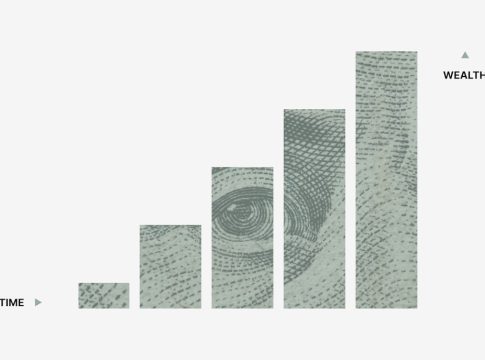
Building strong retirement fund performance is less about finding secret investments and more about disciplined execution of time-tested principles: control costs, diversify thoughtfully, align your allocation with your timeline, and resist the urge to react emotionally to market swings. The investors who retire with the most financial confidence are rarely those who made a brilliant market call — they are the ones who stayed the course, reviewed their strategy regularly, and made small, informed adjustments over decades. That kind of consistency, compounded over time, is the real edge.