The Real Impact Retirement Fund Performance Has on Your Financial Future
Most people spend decades contributing to a retirement fund without ever stopping to truly examine what the numbers are doing behind the scenes. Yet retirement fund performance is arguably the single most…

Most people spend decades contributing to a retirement fund without ever stopping to truly examine what the numbers are doing behind the scenes. Yet retirement fund performance is arguably the single most powerful variable in determining whether your golden years look like financial freedom or financial strain. It’s not just about how much you put in — it’s about what those contributions actually earn over time, and how that growth compounds into the income you’ll eventually live on.
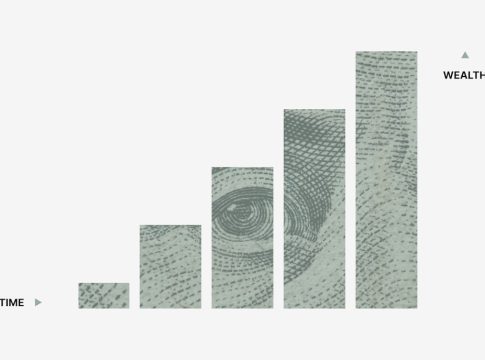
To understand why performance matters so deeply, consider the mechanics of compounding. A fund returning an average of 7% annually will double roughly every ten years. A fund averaging just 4% will take nearly eighteen years to do the same. For someone with a thirty-year investment horizon, that difference in retirement fund performance doesn’t just represent a gap — it can represent hundreds of thousands of dollars. That’s the difference between retiring at the age you planned and working several years longer than you wanted.
Retirement fund performance is influenced by a wide range of factors, including asset allocation, market conditions, fund management quality, and fee structures. Many investors underestimate the corrosive effect of fees. A fund charging 1.5% annually versus one charging 0.3% may seem like a minor distinction, but over thirty years, that gap compounds into a significant drag on your total returns. This is why financial advisors consistently urge investors to scrutinize expense ratios alongside historical performance data before committing to any fund.
Asset allocation plays an equally critical role. Younger investors generally benefit from a higher equity allocation — accepting more short-term volatility in exchange for stronger long-term growth potential. As retirement approaches, shifting toward more conservative assets like bonds or dividend-paying stocks can help protect accumulated gains. The challenge is that many people either stay too aggressive too late or become too conservative too early, both of which can meaningfully undermine retirement fund performance at critical stages of life.
Market downturns are an inevitable reality that every retirement saver must reckon with. Sequence-of-returns risk — the danger of experiencing poor market performance in the early years of retirement — can permanently deplete a portfolio far more severely than the same losses experienced during the accumulation phase. Someone who retires into a bear market and withdraws income simultaneously may find their portfolio unable to recover, even if markets eventually rebound. Understanding this dynamic is essential to planning sustainable withdrawal strategies, and it underscores why monitoring retirement fund performance doesn’t stop the moment you stop working.
Retirement fund performance is influenced by a wide range of factors, including asset allocation, market conditions, fund management quality, and fee structures.
Diversification across asset classes, geographies, and sectors is one of the most reliable tools for smoothing out performance volatility. A well-diversified portfolio won’t always be the top performer in any given year, but it’s far more likely to deliver consistent, resilient returns across market cycles. Funds that concentrate heavily in a single sector or region may post spectacular gains in favorable conditions — and devastating losses when those conditions reverse. For retirement investors, consistency often matters more than peaks.
Rebalancing is another often-overlooked driver of retirement fund performance. As markets move, a portfolio originally set to 70% equities and 30% bonds can drift significantly in either direction. Without periodic rebalancing, investors may unknowingly carry more risk — or less growth potential — than their strategy intends. Most financial professionals recommend reviewing and rebalancing at least annually, or whenever any asset class drifts more than five to ten percentage points from its target allocation.
Inflation is the quiet force that retirement investors must never ignore. Even a fund delivering solid nominal returns can fall short if those returns don’t outpace inflation meaningfully. In an environment where living costs continue to rise, retirees need their portfolios to grow in real terms, not just in dollar figures. This makes the choice of fund type and investment strategy not merely a technical decision, but a deeply personal one tied to lifestyle, longevity expectations, and risk tolerance.
Ultimately, retirement fund performance isn’t a passive metric to glance at once a year — it’s a living, shifting measure of whether your retirement plan is actually working. Staying engaged, asking hard questions, and adjusting your strategy as circumstances evolve gives you the best possible chance of turning decades of contributions into the secure, fulfilling retirement you’ve worked so hard to build.