

















Energy markets continue to experience unprecedented volatility as multiple factors converge to create powerful price movements across traditional and renewable sectors. Understanding the primary energy price catalyst mechanisms driving these shifts has become essential for investors seeking to navigate an increasingly complex landscape where geopolitical tensions, supply chain disruptions, and accelerating energy transition policies create both opportunities and risks.
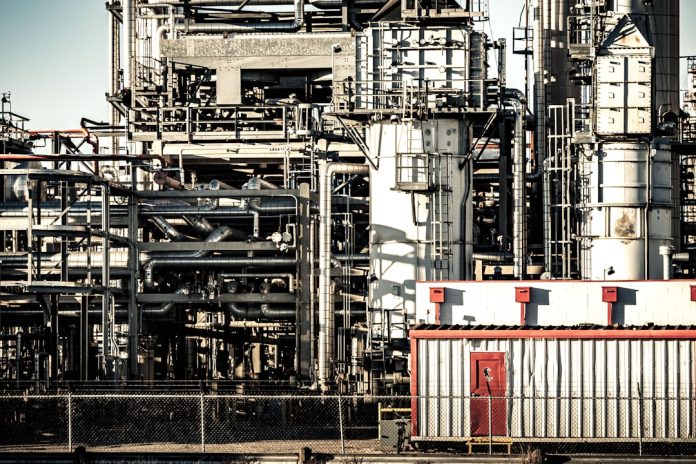
The most significant energy price catalyst in recent months has emerged from supply-side constraints across multiple regions. Production capacity limitations in key oil-producing nations have coincided with unexpected maintenance issues at major refineries, creating a perfect storm that has elevated crude oil prices beyond many analysts’ projections. These supply disruptions have rippled through natural gas markets, where storage levels remain below historical averages despite seasonal demand patterns suggesting adequate reserves.
Renewable energy sectors are experiencing their own set of price drivers, with lithium and rare earth metal shortages acting as a critical energy price catalyst for battery storage and wind turbine manufacturing. The scramble to secure long-term supply contracts for these essential materials has pushed costs higher across the clean energy value chain, forcing project developers to reassess timelines and financial projections. Solar panel manufacturing has faced particular pressure as polysilicon prices have surged due to capacity constraints in key producing regions.
Natural gas markets demonstrate perhaps the most dramatic example of how quickly an energy price catalyst can reshape entire sectors. Pipeline capacity bottlenecks, combined with increased LNG export demand, have created regional price disparities that were unimaginable just two years ago. Industrial consumers have been forced to adjust operations, while utilities scramble to secure winter heating supplies at prices that may ultimately impact consumer electricity rates.
Investment implications of these energy price catalyst trends extend far beyond energy companies themselves. Transportation costs are affecting everything from agriculture to manufacturing, while electricity-intensive industries like data centers and cryptocurrency mining operations face margin pressure that could accelerate relocation decisions. Smart money has begun positioning in energy efficiency technologies and alternative fuel sources as hedge strategies against continued price volatility.
The nuclear energy renaissance represents an emerging energy price catalyst that could fundamentally alter long-term market dynamics. Small modular reactor technologies are attracting unprecedented investment as governments and corporations seek reliable baseload power sources independent of fossil fuel price fluctuations. uranium prices have responded accordingly, with mining companies experiencing renewed interest from institutional investors who had largely ignored the sector for over a decade.
Emerging market economies face particular challenges as energy price catalyst events disproportionately impact their economic stability. Currency devaluations amplify the effect of dollar-denominated energy imports, while domestic energy subsidies strain government budgets. These dynamics create investment opportunities in energy infrastructure and efficiency projects, but also highlight the increased political risks associated with energy-dependent economies.
Looking ahead, the interplay between traditional energy sources and renewable alternatives will likely generate the most significant energy price catalyst events. As carbon pricing mechanisms expand and renewable energy costs continue declining, the transition timeline may accelerate faster than current infrastructure can accommodate. This mismatch between old and new energy systems creates both investment opportunities and operational challenges that will define the next phase of energy market evolution.
Successful navigation of these energy price catalyst trends requires understanding that volatility has become the new normal rather than an exceptional condition. Investors positioning for long-term energy transformation while maintaining exposure to traditional energy sources during the transition period are finding the most consistent returns. The key lies in recognizing that each energy price catalyst event provides information about structural changes that extend far beyond immediate price movements, offering insights into the fundamental reshaping of global energy markets.