



















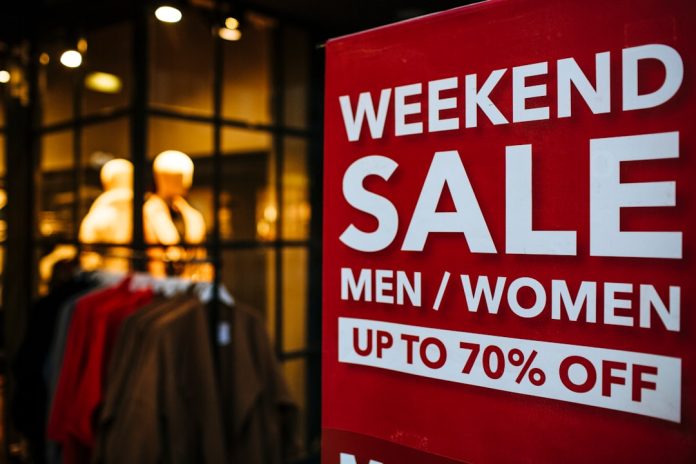
Financial markets are buzzing with anticipation as the latest consumer expenditure data reveals a dramatic shift in purchasing patterns that’s catching economists and investors off guard. The current retail spending trend isn’t just another monthly fluctuation—it’s a fundamental transformation in how Americans allocate their disposable income, with implications that extend far beyond traditional retail sectors.
What makes this week’s retail data particularly compelling is the unexpected resilience in discretionary spending despite persistent inflation concerns and evolving economic conditions. Consumer behavior patterns are defying conventional economic models, creating both opportunities and challenges for businesses, investors, and policymakers alike.
Unprecedented Shifts in Consumer Spending Categories
The most striking aspect of the current retail spending trend lies in the dramatic reallocation of consumer dollars across different categories. Traditional brick-and-mortar establishments are experiencing a surprising resurgence, while certain digital-first retailers face unexpected headwinds. Department stores, which many analysts had written off, are reporting double-digit growth in foot traffic and sales conversions.
Particularly noteworthy is the surge in experiential purchases—dining, entertainment, and travel-related expenses—which now account for a significantly larger share of total retail spending compared to the same period last year. This shift suggests consumers are prioritizing experiences over material possessions, fundamentally altering the retail landscape and forcing businesses to adapt their strategies accordingly.
Luxury goods sales have also defied expectations, with high-end retailers reporting robust demand despite economic uncertainties. This divergence between luxury and mid-tier spending patterns indicates a bifurcation in consumer confidence levels across different income segments.
Technology Integration Drives New Shopping Behaviors
The integration of advanced technologies into the shopping experience has become a critical factor shaping the current retail spending trend. Augmented reality shopping applications, personalized AI recommendations, and seamless omnichannel experiences are driving increased consumer engagement and higher transaction values.
Mobile commerce continues to capture an expanding share of total retail sales, but the growth pattern differs significantly from previous years. Consumers are increasingly using mobile devices for research and comparison shopping while completing purchases through multiple channels, creating a more complex but ultimately more profitable customer journey for retailers who can effectively manage this multi-touchpoint process.
Social commerce platforms have emerged as unexpected winners, with influencer-driven sales accounting for a substantially larger portion of retail transactions than traditional forecasting models predicted. This trend particularly impacts categories like fashion, beauty, and lifestyle products, where social validation plays a crucial role in purchase decisions.
Regional Variations Reveal Economic Disparities
Geographic analysis of the retail spending trend reveals significant regional disparities that reflect underlying economic conditions and demographic shifts. Metropolitan areas with strong technology sectors continue to show robust spending growth, while regions dependent on traditional industries display more conservative consumption patterns.
Suburban markets are experiencing a renaissance in retail activity, driven by demographic migrations and changing lifestyle preferences. Shopping centers and retail developments in these areas are reporting occupancy rates and sales per square foot metrics that exceed pre-pandemic levels, suggesting a fundamental shift in retail real estate dynamics.
Rural markets present a more complex picture, with online retail penetration accelerating rapidly while local brick-and-mortar establishments face continued pressure. This digital divide has important implications for both retail strategy and economic policy discussions.
Investment Implications and Market Response
The evolving retail spending trend has triggered significant reassessments across multiple investment sectors. Retail real estate investment trusts are experiencing renewed interest from institutional investors, particularly those focused on experiential retail and mixed-use developments.
Consumer discretionary stocks have shown remarkable resilience, with several companies reporting earnings that substantially exceeded analyst expectations. This outperformance has led to multiple upward revisions in sector forecasts and has attracted significant capital inflows from both domestic and international investors.
Supply chain and logistics companies are also benefiting from the changing retail landscape, as the complexity of omnichannel fulfillment creates new opportunities for specialized service providers. The demand for flexible, technology-enabled distribution solutions continues to drive innovation and investment in this sector.
The current retail spending patterns represent more than just a temporary market fluctuation—they signal a fundamental evolution in consumer behavior that will likely persist and intensify. For investors, businesses, and policymakers, understanding and adapting to this retail spending trend isn’t just advisable, it’s essential for navigating the new economic landscape that’s rapidly taking shape.