






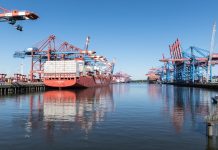









The intricate web of global economics reveals itself most clearly through the lens of international trade policy. Every tariff adjustment, trade agreement negotiation, and diplomatic decision sends ripples across financial markets, affecting everything from currency valuations to commodity prices. Understanding the multifaceted nature of trade policy impact has become essential for investors, businesses, and policymakers navigating an increasingly interconnected world.
Trade policies operate as powerful economic levers, capable of redirecting billions of dollars in commercial flows within months. When governments implement protectionist measures, domestic industries often experience immediate benefits through reduced foreign competition, while consumers face higher prices for imported goods. Conversely, trade liberalization typically leads to increased competition, lower consumer prices, and enhanced efficiency across sectors. This fundamental trade policy impact creates winners and losers across different economic segments, making policy decisions inherently complex and politically charged.
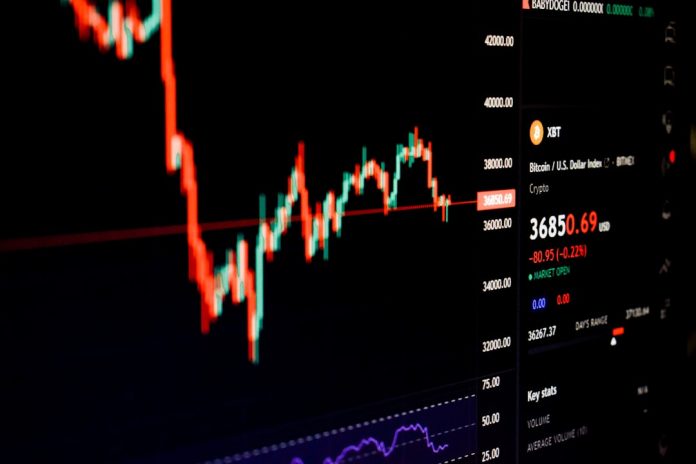
The financial markets respond swiftly to trade policy announcements, with currency traders and equity investors closely monitoring diplomatic developments. A single tweet or policy statement can trigger significant market movements, as witnessed repeatedly in recent years. The trade policy impact on exchange rates proves particularly pronounced, as currency values reflect investor confidence in a nation’s economic prospects. Countries implementing aggressive protectionist measures often see their currencies weaken against major trading partners, while nations pursuing trade expansion typically experience currency strength.
Manufacturing sectors demonstrate the most immediate trade policy impact, with production patterns shifting dramatically in response to changing trade conditions. Companies regularly relocate manufacturing operations to avoid tariffs or capitalize on preferential trade agreements. This industrial restructuring creates employment opportunities in some regions while eliminating jobs in others, highlighting the uneven distribution of trade policy consequences across geographic areas and economic classes.
Agricultural markets provide another compelling example of trade policy impact, where government decisions can make or break entire farming communities. Export-dependent agricultural regions become particularly vulnerable to retaliatory tariffs, as foreign buyers seek alternative suppliers. Meanwhile, protected domestic agricultural sectors may experience temporary prosperity, though often at the expense of overall economic efficiency and consumer welfare.
The technology sector has emerged as a critical battleground for modern trade policy, with governments increasingly using trade restrictions as tools for national security and technological sovereignty. Export controls on semiconductors, telecommunications equipment, and advanced software have created new categories of trade policy impact, affecting innovation cycles and global supply chains. These technology-focused policies often produce long-term structural changes in industry organization and international cooperation patterns.
Supply chain resilience has gained paramount importance as businesses recognize their vulnerability to sudden trade policy changes. Companies now invest heavily in supply chain diversification, maintaining multiple sourcing options to mitigate potential trade policy impact. This defensive positioning, while reducing individual company risk, often increases overall economic inefficiency and raises production costs across industries.
Regional trade agreements continue to reshape global commerce patterns, creating preferential trading relationships that amplify trade policy impact for participating nations. These agreements often produce complex webs of rules and regulations that favor certain countries while potentially disadvantaging others. The cumulative effect of multiple overlapping trade agreements creates an increasingly fragmented global trading system with varying rules for different bilateral relationships.
Financial institutions face unique challenges from trade policy changes, as international lending, foreign exchange operations, and cross-border investment flows all respond to shifting trade relationships. Banks must constantly adjust their risk assessment models to account for potential trade policy impact on borrower creditworthiness and investment returns. This ongoing uncertainty has led many financial institutions to maintain larger capital buffers and more conservative lending practices.
The measurement of trade policy impact requires sophisticated analytical tools capable of tracking complex interdependencies across multiple economic variables. Traditional economic models often struggle to capture the full range of policy consequences, particularly when dealing with non-linear effects and feedback loops. Advanced data analytics and machine learning techniques are increasingly employed to better understand and predict trade policy outcomes.
As global economic integration continues despite periodic setbacks, the significance of trade policy impact on financial markets will likely intensify rather than diminish. Investors and businesses must develop increasingly sophisticated strategies for managing trade policy risks while capitalizing on emerging opportunities. The ability to anticipate and respond effectively to trade policy changes has become a critical competitive advantage in the modern global economy, making trade policy analysis an indispensable tool for financial success.