


















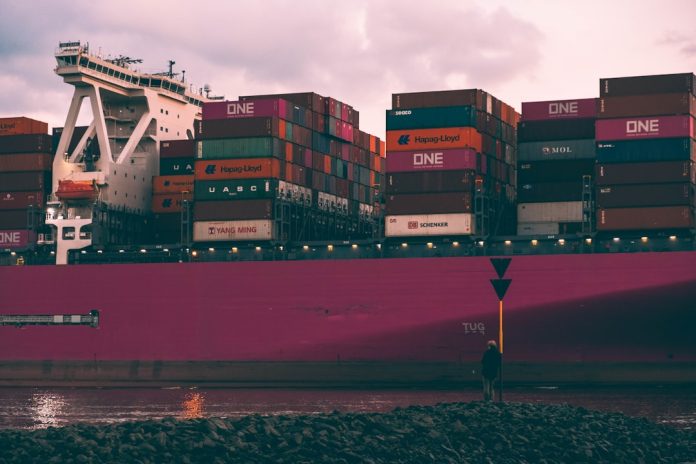
The intricate relationship between international trade policy and financial markets has never been more pronounced than it is today. As global supply chains continue to evolve and nations reassess their economic partnerships, the trade policy impact on US financial markets has become a dominant force driving investor sentiment, sector rotation, and market volatility across multiple asset classes.
Recent shifts in trade agreements and tariff structures have created a ripple effect that extends far beyond traditional import-export dynamics. Technology stocks, once considered relatively insulated from trade tensions, now experience significant price movements based on semiconductor trade restrictions and intellectual property agreements. The NASDAQ has shown particular sensitivity to announcements regarding trade partnerships with key manufacturing nations, with some sessions seeing swings of over 200 points based solely on trade policy developments.
Manufacturing and industrial sectors have emerged as the most direct beneficiaries of protectionist trade policies. Companies with domestic production capabilities have seen their valuations surge as investors price in reduced foreign competition and potential reshoring opportunities. The trade policy impact has been particularly evident in steel, aluminum, and automotive industries, where domestic producers have gained substantial market share and pricing power following the implementation of strategic tariffs.
Agricultural commodities present a more complex picture, illustrating how trade policy impact can create both winners and losers within the same sector. While certain crops have benefited from expanded market access through new bilateral agreements, others face retaliatory measures that have compressed margins and reduced export volumes. Corn and soybean futures have become increasingly correlated with trade negotiation headlines, creating new challenges for agricultural businesses trying to manage price risk and plan production cycles.
Currency markets have responded dramatically to trade policy announcements, with the US dollar experiencing heightened volatility during key negotiation periods. The Federal Reserve’s monetary policy decisions now explicitly consider trade policy implications, as officials recognize that tariff-induced inflation pressures could complicate their dual mandate of price stability and full employment. This interconnection has created feedback loops where trade policy impact influences monetary policy, which in turn affects currency values and international competitiveness.
Energy markets showcase another dimension of how trade policy reshapes financial landscapes. Restrictions on energy infrastructure components and changes in strategic petroleum reserve policies have altered investment flows into renewable energy stocks and traditional oil companies. The push for energy independence has accelerated capital deployment into domestic energy projects, while simultaneously creating headwinds for companies dependent on international energy trade partnerships.
Financial institutions have adapted their strategies to capitalize on trade policy-driven opportunities while managing associated risks. Banks with strong domestic lending portfolios have benefited from increased demand for capital among companies reshoring operations or expanding domestic capacity. Conversely, institutions with significant international exposure have faced margin pressure and increased compliance costs as they navigate evolving regulatory frameworks across multiple jurisdictions.
The private equity and venture capital landscape reflects the long-term implications of trade policy impact on investment patterns. Capital is increasingly flowing toward companies that offer supply chain resilience and reduced dependence on volatile international trade relationships. This shift has created new valuation premiums for businesses with domestic intellectual property, manufacturing capabilities, and distribution networks.
Bond markets have demonstrated their own sensitivity to trade policy developments, particularly in sectors most exposed to international competition. Corporate credit spreads widen and narrow based on companies’ perceived vulnerability to trade disruptions, while municipal bonds in manufacturing-heavy regions have seen improved investor appetite as local economic prospects brighten under protective trade policies.
Looking ahead, the trade policy impact on US financial markets appears likely to intensify rather than diminish. As global economic relationships continue evolving and new technologies create fresh areas of international competition, investors must increasingly factor trade policy considerations into their fundamental analysis and portfolio construction strategies. The markets that emerge from this transformation will likely be more domestically focused, technologically sophisticated, and structurally different from those that existed before trade policy became such a central economic force. Understanding these dynamics has become essential for anyone seeking to navigate the modern American financial landscape successfully.