


















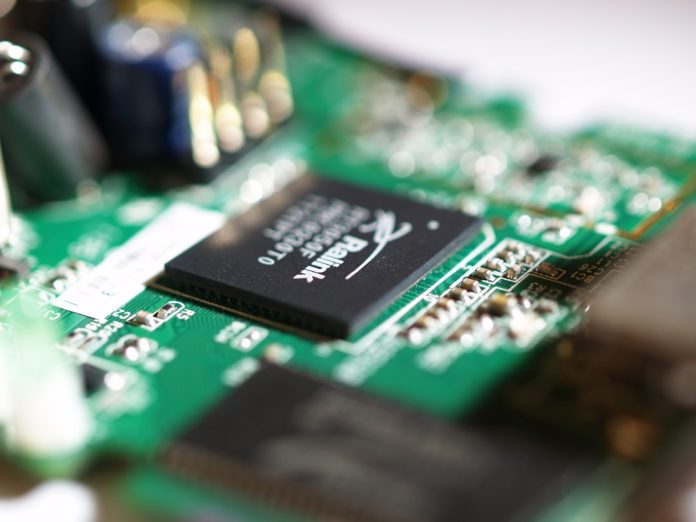
The global technology landscape is experiencing a seismic shift as the semiconductor demand surge reaches unprecedented levels, creating extraordinary opportunities for astute investors. With artificial intelligence, electric vehicles, and edge computing driving consumption to new heights, the chip industry has become the cornerstone of modern economic growth.
Recent market data reveals that global semiconductor sales have reached $650 billion annually, representing a 23% increase from previous years. This semiconductor demand surge isn’t just a temporary spike—it reflects fundamental changes in how we consume technology. From smartphones requiring more sophisticated processors to data centers expanding their computational capacity, chips have become the essential building blocks of the digital economy.
The automotive sector alone accounts for nearly 15% of total chip consumption, with electric vehicles requiring up to 3,000 semiconductors per vehicle compared to 1,000 in traditional cars. Tesla, Ford, and emerging EV manufacturers are securing long-term supply contracts worth billions, signaling sustained demand that extends well beyond current market cycles.
Artificial intelligence applications are another powerful driver behind the semiconductor demand surge. Companies deploying machine learning algorithms require specialized chips capable of handling massive parallel processing tasks. NVIDIA’s data center revenue exceeded $47 billion last year, while AMD and Intel are racing to capture market share in AI-optimized processors.
Investment Strategies Capitalizing on Chip Market Growth
Savvy investors are positioning themselves across the entire semiconductor value chain, from raw materials to finished products. Memory chip manufacturers like Samsung and SK Hynix have seen their valuations increase substantially as cloud computing demands more storage capacity. Meanwhile, equipment manufacturers such as ASML and Applied Materials benefit from foundries expanding production capabilities to meet the semiconductor demand surge.
Geographic diversification within semiconductor investments has become increasingly important. While Taiwan and South Korea remain dominant manufacturing hubs, new facilities in the United States, Europe, and Southeast Asia are creating regional investment opportunities. The U.S. CHIPS Act has allocated $52 billion for domestic semiconductor manufacturing, attracting companies to establish American operations.
Exchange-traded funds focused on semiconductor stocks have outperformed broader market indices by significant margins. The VanEck Vectors Semiconductor ETF has delivered returns exceeding 35% annually, while individual stocks like Broadcom and Qualcomm have seen even stronger performance driven by 5G infrastructure deployments and mobile device upgrades.
Emerging Technologies Driving Future Demand
Quantum computing represents the next frontier in semiconductor demand surge potential. IBM, Google, and startups like IonQ are developing quantum processors that require entirely new manufacturing approaches and materials. While still early-stage, quantum computing applications in cryptography, drug discovery, and financial modeling suggest massive future market opportunities.
Internet of Things (IoT) devices are multiplying exponentially, with industry analysts projecting 75 billion connected devices by 2030. Each device requires multiple semiconductors for processing, connectivity, and sensor functions. Smart cities, industrial automation, and healthcare monitoring systems are creating sustained demand for specialized chips designed for low-power, high-efficiency operations.
The rollout of 6G wireless technology is already influencing semiconductor design requirements. Communication chips capable of handling terahertz frequencies and supporting holographic communications will require breakthrough materials and manufacturing processes, creating opportunities for companies investing in research and development.
Geopolitical factors add complexity and opportunity to semiconductor investing. Supply chain diversification efforts, trade policies, and national security considerations influence which companies and regions benefit from the semiconductor demand surge. Investors monitoring policy developments can identify emerging winners before broader markets recognize their potential.
As the semiconductor demand surge continues reshaping global markets, investors who understand the underlying technological trends and supply chain dynamics are positioning themselves for substantial returns. The convergence of AI, electrification, and ubiquitous computing ensures that semiconductor demand will remain robust for the foreseeable future, making this sector one of the most compelling investment themes of our time.