
















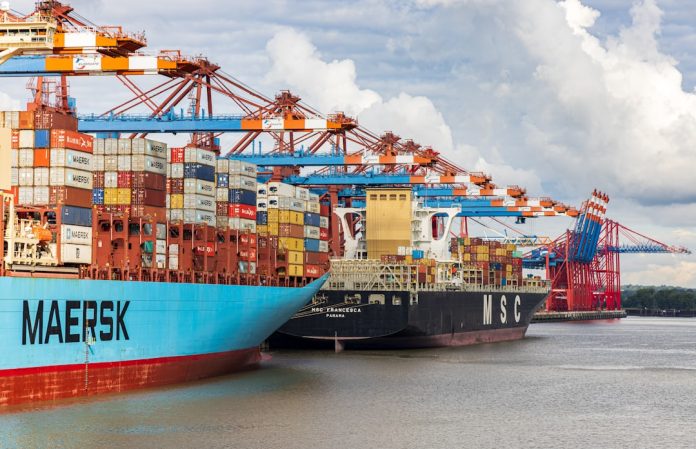
Financial markets worldwide are experiencing unprecedented volatility as governments implement sweeping changes to international trade regulations. The trade policy impact on global commerce has created ripple effects that extend far beyond traditional import-export relationships, fundamentally altering how investors approach portfolio construction and risk management.
Recent data from major financial institutions reveals that trade policy decisions now rank among the top three factors influencing market sentiment, alongside monetary policy and geopolitical events. This shift represents a dramatic change from previous decades when trade agreements operated largely in the background of financial decision-making. Today’s interconnected global economy means that a single policy announcement can trigger immediate responses across multiple asset classes and geographic regions.
Currency markets have proven particularly sensitive to trade policy developments. When major economies announce new tariff structures or renegotiate existing agreements, foreign exchange rates can fluctuate dramatically within hours. The dollar’s strength or weakness often correlates directly with perceived changes in America’s trade relationships, while emerging market currencies face additional pressure when trade policies affect their primary export partners. This sensitivity has forced multinational corporations to develop more sophisticated hedging strategies to protect against sudden policy-driven currency swings.
Equity markets demonstrate equally pronounced reactions to trade policy announcements. Manufacturing companies, technology firms, and agricultural businesses often see immediate stock price adjustments when new trade measures are announced. The trade policy impact extends beyond directly affected industries, as supply chain disruptions can influence companies across seemingly unrelated sectors. Automotive manufacturers, for instance, may face challenges not only from steel tariffs but also from policies affecting semiconductor imports or rare earth mineral access.
Bond markets reflect trade policy uncertainty through yield curve movements and credit spread adjustments. When trade tensions escalate, investors typically flee to safe-haven assets, driving down government bond yields in stable economies while increasing borrowing costs for countries perceived as trade-vulnerable. Corporate bonds from companies with significant international exposure often face higher yields as investors demand additional compensation for trade-related risks.
Commodity markets showcase some of the most direct trade policy impacts. Agricultural products frequently become bargaining chips in trade negotiations, leading to price volatility that affects both producers and consumers. Energy markets face similar pressures when trade policies influence pipeline approvals, renewable energy component imports, or oil and gas export agreements. These commodity price fluctuations then cascade through the broader economy, affecting inflation expectations and central bank policy decisions.
Investment strategies have evolved significantly in response to heightened trade policy sensitivity. Portfolio managers now dedicate substantial resources to monitoring policy developments and modeling potential scenarios. Diversification strategies increasingly consider trade relationship exposure alongside traditional metrics like sector allocation and geographic distribution. Some institutional investors have developed specialized teams focused exclusively on interpreting trade policy signals and their potential financial market implications.
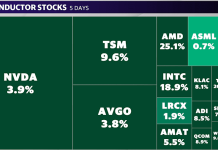
The technology sector faces unique challenges as trade policies increasingly target intellectual property protection and technology transfer requirements. Companies operating in artificial intelligence, semiconductors, and telecommunications must navigate complex regulatory environments that can change rapidly based on international relations. These policy shifts affect not only current operations but also long-term research and development investments, creating additional uncertainty for technology-focused investment strategies.
Emerging markets experience amplified trade policy impact due to their dependence on international trade for economic growth. Countries heavily reliant on exports to major developed economies face particular vulnerability when trade policies shift. This dynamic has encouraged some emerging market governments to diversify their trade relationships and develop regional agreements to reduce dependence on any single trade partner.
Central banks worldwide now incorporate trade policy developments into their monetary policy frameworks more explicitly than ever before. Trade-induced inflation pressures or deflationary forces can influence interest rate decisions, creating additional channels through which trade policy impacts financial markets. This interconnection between trade and monetary policy adds complexity to economic forecasting and investment planning.
As global trade relationships continue evolving, financial market participants must develop increasingly sophisticated approaches to understanding and responding to trade policy changes. The traditional separation between political analysis and financial analysis has largely disappeared, replaced by integrated frameworks that treat trade policy impact as a fundamental driver of market behavior. Success in this environment requires not just financial expertise but also deep understanding of international relations, regulatory processes, and the complex web of relationships that define modern global commerce.