



















The stock market’s impressive rally has been largely fueled by investors adopting a focused growth portfolio strategy, fundamentally shifting how portfolios are constructed and managed. As markets continue to reward companies with strong earnings growth and innovative business models, savvy investors are reaping substantial benefits by concentrating their holdings on high-growth potential stocks rather than traditional value plays.
This strategic pivot represents more than just following market trends—it reflects a deep understanding of how modern economies reward scalability, technological innovation, and adaptability. Investors implementing a well-crafted growth portfolio strategy are positioning themselves to capture outsized returns while navigating an increasingly complex investment landscape.
The Foundation of Successful Growth Portfolio Construction
A robust growth portfolio strategy begins with identifying companies that demonstrate consistent revenue expansion, strong profit margins, and clear competitive advantages in their respective markets. Unlike traditional investing approaches that focus heavily on current valuations, growth-oriented portfolios prioritize companies with the potential to significantly increase their earnings over time.
The most successful growth portfolios typically allocate 60-80% of their holdings to established growth companies with proven track records, while reserving 20-40% for emerging growth opportunities. This balance allows investors to benefit from the stability of established growth leaders while capturing the explosive potential of smaller, innovative companies. Technology stocks, healthcare innovators, and companies benefiting from demographic trends often form the core of these portfolios.
Risk management remains crucial in growth investing, as these stocks can experience higher volatility than their value counterparts. Professional portfolio managers recommend diversifying across sectors while maintaining focus on companies with sustainable competitive moats and strong management teams.
Technology Stocks Lead the Growth Investment Charge
The current market environment has been particularly favorable for technology-focused growth strategies, with artificial intelligence, cloud computing, and digital transformation themes driving substantial gains. Companies operating in these spaces often exhibit the rapid scalability that growth investors seek, allowing them to expand revenues without proportional increases in costs.
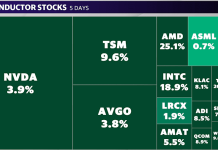
Semiconductor companies, software-as-a-service providers, and e-commerce platforms have emerged as cornerstone holdings in many growth portfolio strategy implementations. These sectors benefit from powerful secular trends that extend beyond typical economic cycles, providing sustained growth opportunities even during periods of broader market uncertainty.
The key to success in technology growth investing lies in identifying companies that can maintain their competitive advantages as their industries mature. This requires analyzing factors such as research and development spending, patent portfolios, customer retention rates, and management’s ability to adapt to changing market conditions.
Healthcare and Biotechnology Drive Innovation-Based Returns
Healthcare represents another pillar of effective growth portfolio strategy, offering investors exposure to companies developing breakthrough treatments, medical devices, and healthcare technologies. The aging global population and increasing healthcare spending create a favorable long-term backdrop for growth-oriented healthcare investments.
Biotechnology companies, in particular, offer the potential for exceptional returns when their drug development programs succeed. While these investments carry higher risk due to regulatory uncertainties and clinical trial outcomes, they can provide portfolio-transforming gains when successful treatments reach the market.
Medical technology companies present a more balanced risk-reward profile within healthcare growth investing, often combining steady revenue growth with innovation potential. Companies developing minimally invasive surgical devices, diagnostic equipment, and digital health solutions represent compelling growth opportunities with more predictable revenue streams than pure-play biotechnology investments.
Emerging Market Opportunities Expand Growth Horizons
Global diversification has become an essential component of modern growth portfolio strategy, with emerging markets offering access to rapidly expanding economies and growing consumer bases. Companies based in developing countries often experience faster growth rates than their developed market counterparts, driven by urbanization, rising incomes, and increasing technology adoption.
The most attractive emerging market growth opportunities typically involve companies that serve domestic consumer demand or export high-value products and services globally. E-commerce platforms, financial technology companies, and consumer goods manufacturers in emerging markets have delivered impressive returns for growth-focused investors.
Currency considerations and geopolitical risks require careful attention when incorporating emerging market exposure into growth portfolios. Many investors prefer to limit emerging market allocations to 10-15% of their total growth portfolio while focusing on the highest-quality companies with strong corporate governance standards.
The continued success of growth-oriented investing strategies reflects fundamental changes in how modern economies create value and reward innovation. Investors who master the principles of effective growth portfolio strategy position themselves to benefit from these powerful trends while building wealth over the long term. As markets evolve, the ability to identify and invest in tomorrow’s market leaders becomes increasingly valuable, making growth-focused portfolio construction an essential skill for serious investors seeking to maximize their investment returns.