



















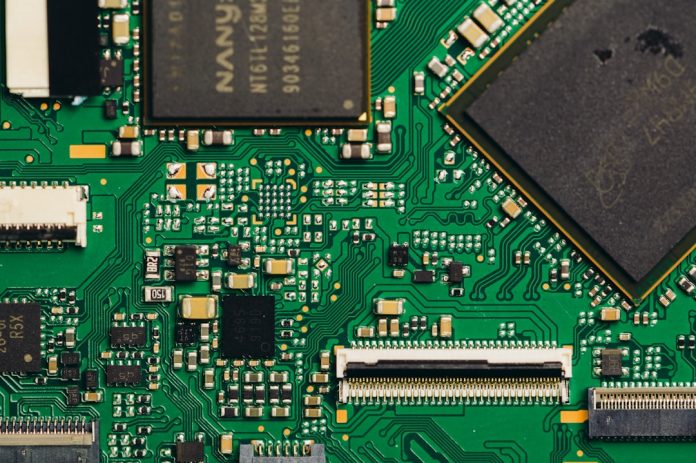
American markets are experiencing their most dramatic transformation in decades as an unprecedented semiconductor demand surge ripples through industries from automotive to artificial intelligence. This technological gold rush is creating winners and losers across the investment landscape, with some companies seeing valuations skyrocket while others struggle to adapt to supply constraints.
The current semiconductor demand surge began accelerating in late 2024 when major tech giants simultaneously announced massive AI infrastructure expansions. Companies like NVIDIA, AMD, and Intel have reported order backlogs stretching into 2027, while their stock prices have reached historic highs. The Philadelphia Semiconductor Index has gained over 180% since the beginning of 2025, making it the best-performing sector in American markets.
This surge extends far beyond traditional tech companies. Automotive manufacturers are scrambling to secure chip allocations for their next-generation electric vehicles, with Tesla and General Motors announcing multi-billion-dollar partnerships with chip foundries. Meanwhile, data center operators are paying premium prices for advanced processors to support the exploding demand for AI computing power.
The ripple effects are transforming entire supply chains. Companies that manufacture semiconductor equipment, such as Applied Materials and KLA Corporation, have seen their market capitalizations double as chipmakers rush to expand production capacity. Even seemingly unrelated industries like real estate are benefiting, as semiconductor companies acquire vast tracts of land for new fabrication facilities across Arizona, Texas, and Ohio.
Investment Opportunities Emerge Across Multiple Sectors
Smart investors are looking beyond obvious semiconductor plays to identify indirect beneficiaries of this demand surge. Utilities companies serving major chip manufacturing hubs are experiencing unprecedented growth, as semiconductor fabs require enormous amounts of electricity. Water treatment companies are also thriving, given the ultra-pure water requirements for chip production.
The semiconductor demand surge has created a new investment thesis around “picks and shovels” companies that provide essential services to the industry. Chemical suppliers producing specialized materials for chip manufacturing have seen their profit margins expand dramatically. Meanwhile, logistics companies specializing in high-value, temperature-controlled shipping have become essential partners for semiconductor firms.
Defense contractors are another unexpected beneficiary, as government agencies prioritize domestic chip production for national security reasons. Companies with expertise in secure manufacturing processes and military-grade semiconductors are winning lucrative contracts as part of federal initiatives to reduce dependence on foreign chip suppliers.
Market Volatility Creates Both Risk and Reward
While the semiconductor demand surge has created enormous opportunities, it has also introduced new risks to American markets. Supply chain disruptions in Asia can now trigger immediate selloffs in seemingly unrelated American stocks. The interdependence between semiconductor availability and broader economic growth has made markets more sensitive to geopolitical tensions and trade policy changes.
Investors are grappling with valuation questions as semiconductor companies trade at historically high multiples. Some analysts warn that current prices reflect overly optimistic projections about future demand, while others argue that the structural shift toward AI and electrification justifies premium valuations.
The semiconductor demand surge represents more than a cyclical upturn—it signals a fundamental restructuring of the American economy around digital infrastructure and advanced manufacturing. For investors willing to look beyond surface-level plays, this transformation offers compelling opportunities across diverse sectors. However, success requires careful analysis of supply chain dynamics, geopolitical risks, and the sustainability of current demand levels. As this technological revolution continues unfolding, the companies that can effectively navigate the complexities of semiconductor dependency will likely emerge as the next generation of market leaders.