


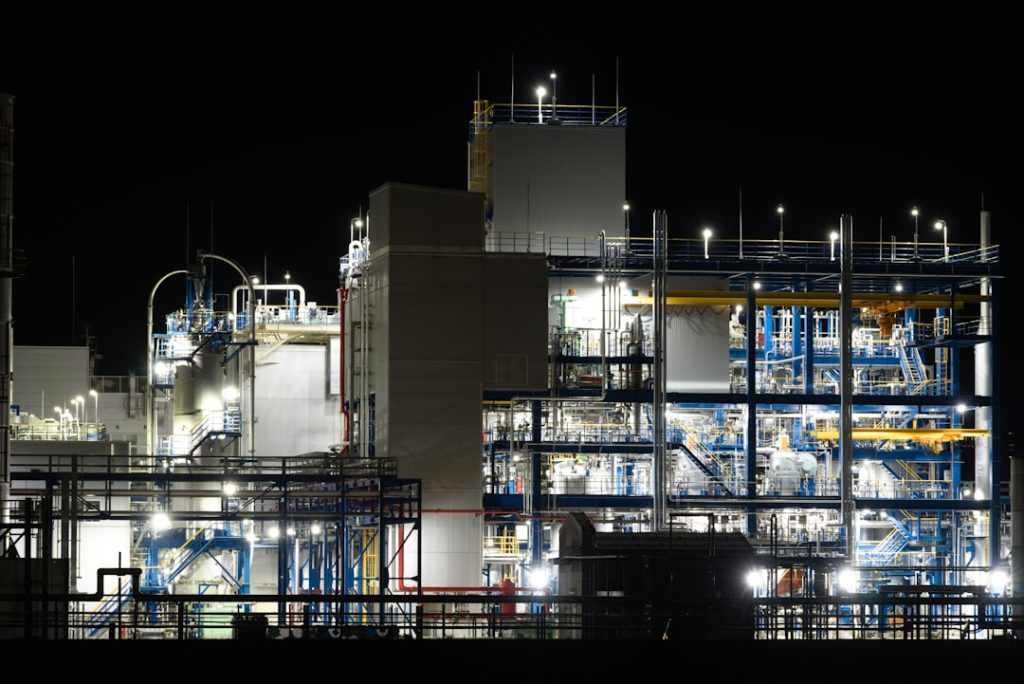
A powerful energy price catalyst is reshaping the American financial landscape, sending ripples across sectors from technology to manufacturing. As crude oil futures surge past $95 per barrel and natural gas prices experience unprecedented volatility, investors are scrambling to decode the market signals and position their portfolios accordingly.
The current energy price catalyst stems from a convergence of geopolitical tensions, supply chain disruptions, and shifting demand patterns that have created a perfect storm in commodity markets. Recent data from the Energy Information Administration reveals that domestic oil production has plateaued at 13.2 million barrels per day, while consumption continues to climb as economic activity rebounds. This supply-demand imbalance has become the primary energy price catalyst driving market movements across multiple asset classes.
Tech giants like Apple and Microsoft have seen their margins compress as higher energy costs impact their data center operations and manufacturing partners. The NASDAQ composite has experienced increased correlation with energy futures, a relationship that was virtually non-existent just two years ago. Meanwhile, traditional energy companies are capitalizing on this energy price catalyst, with Chevron and ExxonMobil posting quarterly earnings that exceeded analyst expectations by margins not seen since the commodity supercycle of the early 2000s.
Sector Rotation Accelerates as Energy Dynamics Shift
The energy price catalyst has triggered a significant rotation out of growth stocks and into value plays, particularly within the energy and materials sectors. Portfolio managers are reallocating capital at the fastest pace in over a decade, with energy ETFs seeing inflows of $2.8 billion in the past month alone. This shift reflects growing recognition that the current energy price catalyst represents a structural rather than cyclical change in market dynamics.
Industrial companies are experiencing divergent impacts from this energy price catalyst. While energy-intensive manufacturers like steel producers and aluminum smelters face margin pressure, companies with strong pricing power are successfully passing costs through to consumers. General Electric’s power division has reported a 15% increase in turbine orders as utilities seek to diversify their energy mix, highlighting how the energy price catalyst is accelerating infrastructure investments.
Financial markets are also adapting to this new reality. The VIX volatility index has maintained elevated levels as the energy price catalyst continues to inject uncertainty into earnings forecasts. Bond markets have responded with Treasury yields climbing as investors demand higher compensation for inflation risk, creating additional headwinds for rate-sensitive sectors like real estate and utilities.
Investment Strategies Evolve in Response to Energy Volatility
Professional investors are developing sophisticated strategies to navigate the ongoing energy price catalyst. Hedge funds have increased their positions in energy derivatives by 40% compared to historical averages, while pension funds are allocating larger portions of their portfolios to inflation-protected securities. This institutional response demonstrates how the energy price catalyst has fundamentally altered risk management approaches across the investment landscape.
Regional banks with significant exposure to energy-producing states are experiencing renewed investor interest. Texas-based institutions have seen their loan portfolios benefit from increased drilling activity and capital expenditure by energy companies responding to the price catalyst. Conversely, banks in energy-consuming regions face potential headwinds as higher costs pressure commercial borrowers’ cash flows.
The dollar’s performance has also been influenced by this energy price catalyst, with the greenback strengthening against commodity-importing nations’ currencies while showing relative weakness against energy exporters. This currency dynamic is creating additional complexity for multinational corporations as they navigate both energy costs and foreign exchange volatility.
Consumer discretionary stocks present a mixed picture under the influence of the current energy price catalyst. While higher gasoline and heating costs reduce disposable income for many households, companies serving affluent consumers continue to report strong demand. This bifurcation suggests that the energy price catalyst is accelerating existing trends toward consumer stratification.
The energy price catalyst currently reshaping American markets represents more than a temporary commodity spike—it signals a fundamental shift in the global energy landscape that will likely persist for years to come. Investors who recognize this reality and adapt their strategies accordingly stand to benefit from the opportunities created by this historic market transition. As supply chains reorganize and new technologies emerge in response to higher energy costs, the companies and sectors that successfully navigate this energy price catalyst will emerge as the market leaders of tomorrow.