


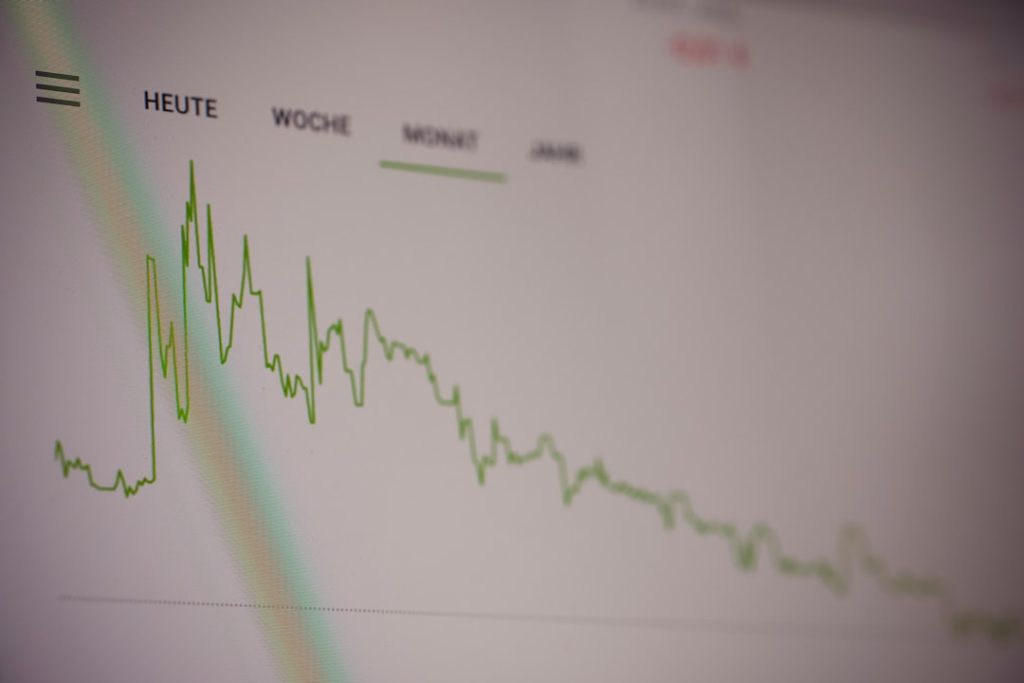
Financial markets erupted in celebration as a series of robust economic indicators delivered results that far exceeded analyst expectations, creating a powerful wave of optimism that rippled through trading floors worldwide. When economic data beat projections by such significant margins, it signals underlying strength in the economy that often translates into sustained market momentum and renewed investor confidence.
The manufacturing sector led the charge with production figures that shattered forecasts, climbing 2.8% month-over-month compared to the anticipated 1.4% increase. This dramatic outperformance reflects accelerating industrial activity and suggests that supply chain disruptions have largely resolved, allowing businesses to ramp up output to meet growing demand. Employment statistics followed suit, with job creation numbers reaching levels not seen since the post-pandemic recovery peak, while unemployment rates dropped to multi-year lows.
Consumer spending data provided another compelling example of how economic data beat expectations can reshape market narratives. Retail sales surged 3.2% above projections, driven by robust consumer confidence and wage growth that has outpaced inflation for six consecutive months. This spending strength indicates that households maintain healthy balance sheets and feel secure enough in their economic prospects to increase discretionary purchases, a key driver of sustained economic expansion.
The housing market contributed to this positive momentum with building permits and housing starts both exceeding forecasts by substantial margins. New construction activity reached its highest level in eighteen months, while mortgage applications increased despite still-elevated interest rates. These developments suggest that pent-up demand remains strong and that the housing sector may be entering a new growth phase after a period of adjustment.
Inflation metrics added another layer of optimism to the economic landscape, with core consumer price increases coming in below expectations while maintaining a trajectory toward central bank targets. This delicate balance between growth and price stability creates an ideal environment for continued monetary policy support without the immediate pressure for aggressive tightening measures that might constrain economic activity.
Corporate earnings reports have begun reflecting these favorable conditions, with companies across multiple sectors reporting revenue and profit figures that significantly exceeded Wall Street estimates. Technology firms benefited from increased business investment in productivity-enhancing solutions, while consumer discretionary companies capitalized on the strong spending environment. Even traditionally cyclical sectors like materials and industrials showed remarkable resilience and growth.
International trade data provided additional confirmation of economic strength, with export volumes reaching new highs and trade balances improving across key partnerships. This external validation suggests that domestic economic improvements are translating into competitive advantages in global markets, creating a virtuous cycle of growth that supports both domestic employment and international market share.
The bond market responded to this economic data beat scenario with yield curve adjustments that reflect expectations of sustained growth without excessive inflation pressures. Long-term rates have stabilized at levels that support business investment while short-term rates remain accommodative enough to encourage continued economic expansion. This yield environment creates favorable conditions for both corporate borrowing and consumer financing needs.
Currency markets have also taken notice, with strengthening fundamentals supporting exchange rates that reflect improved economic prospects relative to global peers. This currency stability enhances purchasing power for imports while maintaining export competitiveness, contributing to the overall positive economic momentum that began with the initial data surprises.
Looking ahead, economists are revising their growth forecasts upward as the accumulation of positive data points suggests that current economic strength may persist longer than initially anticipated. The breadth of sectors showing improvement indicates that this expansion has solid foundations rather than being driven by isolated factors that might quickly reverse.
As markets digest these developments, the overwhelming sentiment reflects renewed confidence in economic resilience and growth potential. When economic data beat expectations across such a wide range of indicators, it creates a compelling case for sustained optimism that extends well beyond immediate market reactions, potentially laying the groundwork for an extended period of economic prosperity that benefits businesses, consumers, and investors alike.