

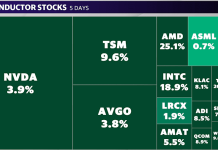


















The numbers tell a remarkable story of transformation. Global investment in artificial intelligence technologies has surged to unprecedented levels, with venture capital firms, institutional investors, and tech giants collectively pouring hundreds of billions into AI-focused companies and infrastructure. This massive AI investment boom represents more than just another tech trend—it signals a fundamental shift in how capital markets view the future of business, productivity, and economic growth.
What makes this current wave particularly striking is its breadth and sophistication. Unlike previous technology investment cycles that focused primarily on consumer applications or narrow use cases, today’s AI investment boom spans virtually every sector of the economy. Healthcare companies are attracting massive funding rounds for AI-powered drug discovery platforms. Financial services firms are deploying billions in AI trading algorithms and risk management systems. Manufacturing giants are investing heavily in AI-driven automation and predictive maintenance solutions.
The venture capital landscape has been particularly aggressive in backing AI startups, with several firms raising specialized AI-focused funds exceeding $1 billion. These investment vehicles are targeting everything from foundational model companies developing next-generation language models to specialized AI applications in robotics, autonomous vehicles, and enterprise software. The competition for promising AI deals has become so intense that valuations for early-stage AI companies often exceed traditional metrics, reflecting investors’ belief in the transformative potential of these technologies.
Corporate venture arms and strategic investors have emerged as equally important players in the AI investment boom. Major technology companies are not only developing AI capabilities internally but also acquiring promising startups and forming strategic partnerships with emerging AI leaders. This corporate involvement provides validation and resources that pure venture capital cannot match, creating a more robust ecosystem for AI innovation and commercialization.
Public markets have also embraced the AI investment boom with remarkable enthusiasm. Companies that successfully demonstrate AI integration into their core business models have seen their valuations soar, while traditional businesses that fail to articulate an AI strategy often face pressure from investors and analysts. This dynamic has created powerful incentives for companies across industries to invest seriously in AI capabilities rather than treating them as optional experiments.
The infrastructure requirements of the AI investment boom have created their own investment opportunities. Data centers, specialized AI chips, cloud computing platforms, and networking equipment have all benefited from the massive capital requirements of AI development and deployment. Companies providing these foundational technologies have attracted significant investment as the market recognizes that AI success depends heavily on robust underlying infrastructure.
International competition has further accelerated the AI investment boom, with governments and sovereign wealth funds joining private investors in funding AI development. The recognition that AI capabilities may determine future economic and strategic advantages has led to national AI initiatives and public-private partnerships that add additional capital and urgency to the investment landscape.
Risk considerations within the AI investment boom remain significant and varied. Technical risks include the possibility that current AI approaches may hit fundamental limitations or that breakthrough innovations may disrupt existing investments. Regulatory uncertainty presents another challenge, as governments worldwide grapple with how to oversee and potentially restrict AI development and deployment. Market risks include the possibility of a correction if AI investments fail to deliver expected returns or if economic conditions reduce appetite for high-risk technology investments.
Despite these challenges, the fundamental drivers of the AI investment boom appear robust and likely to continue. The productivity gains and cost savings that AI technologies can deliver across industries provide a compelling business case that extends beyond speculative technology trends. Early adopters are already demonstrating measurable returns on their AI investments, creating proof points that attract additional capital and encourage broader adoption.
The AI investment boom represents a convergence of technological capability, market demand, and capital availability that creates extraordinary opportunities for investors, entrepreneurs, and established companies willing to engage seriously with artificial intelligence. As this transformation continues to unfold, the companies and investors who position themselves effectively within this landscape may find themselves at the center of the most significant technological and economic shift in decades.