


















While retail investors often fixate on headline indices like the S&P 500 or Dow Jones, seasoned Wall Street professionals know that true market health lies beneath the surface. The most telling story emerges from a market breadth indicator, a sophisticated tool that reveals whether market movements represent genuine broad-based strength or dangerous concentration in just a handful of mega-cap stocks.
Market breadth indicators measure participation across the entire market ecosystem, providing insights that single indices simply cannot deliver. When the S&P 500 reaches new highs but only 200 of its 500 components are actually rising, that’s a red flag that savvy traders immediately recognize. This divergence between price and participation has historically preceded some of the market’s most significant corrections.
The advance-decline line stands as perhaps the most fundamental market breadth indicator tracked by institutional investors. This metric calculates the cumulative difference between advancing and declining stocks over time, creating a running tally of market participation. When this line diverges from major indices—climbing while prices fall, or falling while prices rise—it often signals an impending directional change that catches casual observers off guard.
Professional money managers also closely monitor the percentage of stocks trading above their 200-day moving averages. This market breadth indicator provides a clear snapshot of underlying market health across different time horizons. During robust bull markets, this percentage typically exceeds 70%, while readings below 30% often coincide with oversold conditions that present opportunities for contrarian investors. The current reading offers valuable context for portfolio positioning decisions.
Volume-based breadth indicators add another crucial dimension to market analysis. The Arms Index, also known as TRIN, compares the ratio of advancing to declining stocks with the ratio of advancing to declining volume. Readings above 1.0 suggest selling pressure is intensifying, while readings below 1.0 indicate buying interest. Extreme readings in either direction often mark short-term turning points that day traders and swing traders exploit for profit.
Sector rotation patterns revealed through breadth analysis provide institutional investors with allocation guidance that individual stock picking simply cannot match. When defensive sectors like utilities and consumer staples begin outperforming while growth sectors lag, this breadth-based signal often precedes broader market weakness by weeks or even months. Conversely, strong performance in cyclical sectors combined with broad participation across industries typically supports continued market advances.
The new highs versus new lows indicator serves as another powerful market breadth indicator that professionals monitor daily. Healthy bull markets generate expanding lists of stocks reaching new 52-week highs, while deteriorating market conditions produce growing lists of new lows. The crossover points between these metrics have historically marked significant inflection points that create both opportunity and risk for positioned investors.
International breadth indicators provide global context that domestic-focused metrics miss entirely. When emerging markets, developed international markets, and U.S. markets all show positive breadth characteristics simultaneously, it suggests a robust global growth environment. Conversely, when breadth deteriorates across multiple regions, it often foreshadows synchronized global economic weakness that affects asset allocation decisions across all major investment firms.
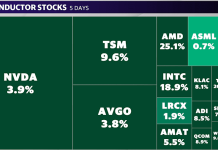
Current market conditions reveal fascinating divergences in breadth indicators that sophisticated investors are parsing carefully. Technology sector concentration continues to influence overall market direction, but breadth metrics suggest participation is expanding into previously lagging sectors. This rotation pattern typically characterizes mature bull market phases where value begins outperforming growth, creating opportunities for managers skilled in sector allocation strategies.
Understanding market breadth indicators transforms investment decision-making from reactive to proactive, allowing investors to position ahead of major moves rather than chasing performance after trends become obvious. As concentration risk in mega-cap stocks remains elevated and market leadership continues evolving, these breadth-based insights provide the edge that separates professional-grade analysis from amateur speculation. The Street’s smartest money isn’t just watching prices—they’re measuring the heartbeat of market participation itself.