



















The financial landscape is experiencing a seismic transformation as the Federal Reserve implements a significant policy shift that’s sending ripples throughout American markets. For investors who have grown accustomed to years of predictable monetary policy, this pivot represents both unprecedented opportunities and new challenges that demand immediate attention and strategic recalibration.
The current Federal Reserve policy shift marks a departure from the institution’s previous approach to inflation targeting and employment priorities. Rather than maintaining the traditional dual mandate balance, the Fed has signaled a more dynamic framework that responds to emerging economic realities, including persistent supply chain adjustments, evolving labor market dynamics, and global monetary coordination requirements.
Interest rate expectations have become the primary catalyst driving market volatility across all asset classes. The Federal Reserve policy shift indicates a willingness to maintain higher rates for extended periods while simultaneously introducing new tools for liquidity management. This approach differs substantially from previous cycles, where rate changes followed more predictable patterns based on traditional economic indicators.
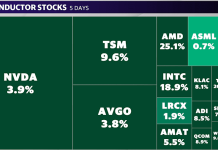
Equity markets are experiencing sector rotation as investors reassess valuations under the new monetary framework. Technology stocks, particularly those dependent on growth financing, face headwinds from sustained higher borrowing costs. Conversely, financial sector companies are benefiting from improved net interest margins, while utility and consumer staple stocks are attracting investors seeking stability amid uncertainty.
Bond market dynamics have shifted dramatically in response to the Federal Reserve policy shift. Treasury yields across the curve are reflecting revised expectations for long-term monetary policy, creating opportunities for strategic duration positioning. Corporate credit spreads are widening selectively, with high-yield securities facing particular pressure as refinancing costs increase for leveraged companies.
Portfolio Positioning in the New Monetary Environment
Asset allocation strategies require fundamental reassessment given the Federal Reserve policy shift implications. Traditional 60/40 portfolios are experiencing correlation breakdowns that challenge conventional diversification assumptions. Real estate investment trusts are navigating dual pressures from higher discount rates and evolving property fundamentals, while commodity investments are gaining renewed attention as inflation hedging mechanisms.
International exposure deserves particular consideration as the Federal Reserve policy shift affects global currency relationships and capital flows. Emerging market assets face headwinds from dollar strength and reduced liquidity, while developed international markets offer potential diversification benefits despite their own central bank policy uncertainties.
Alternative investments are experiencing increased institutional interest as traditional asset class relationships evolve. Private equity valuations are adjusting to higher discount rates, while hedge fund strategies focused on rate volatility and credit dislocations are attracting capital from investors seeking uncorrelated returns.
Risk Management and Forward-Looking Strategies
The Federal Reserve policy shift necessitates enhanced risk management protocols across all investment strategies. Duration risk management has become critical for fixed-income allocations, while equity investors must consider sector concentration risks more carefully. Currency hedging strategies require reassessment for international positions, particularly given the dollar’s strengthened position relative to other major currencies.
Credit risk evaluation has gained importance as borrowing costs rise across the economy. Corporate balance sheet analysis must incorporate higher refinancing costs and potential earnings pressure from increased interest expenses. Municipal bond investors face unique considerations as state and local governments navigate fiscal pressures alongside higher borrowing costs.
Liquidity management has emerged as a crucial consideration given increased market volatility and potential for rapid policy communication changes. Cash position optimization balances opportunity costs from higher short-term rates against strategic flexibility needs. Money market funds and short-term Treasury securities are experiencing renewed investor interest as viable cash alternatives.
The Federal Reserve policy shift represents a fundamental recalibration of American monetary policy that extends far beyond simple interest rate adjustments. Successful navigation requires understanding the interconnected nature of these changes across asset classes, geographic regions, and investment timeframes. Investors who adapt their strategies to acknowledge these new realities while maintaining disciplined risk management approaches are positioned to capitalize on the opportunities this transition period presents. The key lies in recognizing that this policy evolution reflects structural economic changes rather than temporary cyclical adjustments, demanding corresponding permanence in strategic investment thinking.