


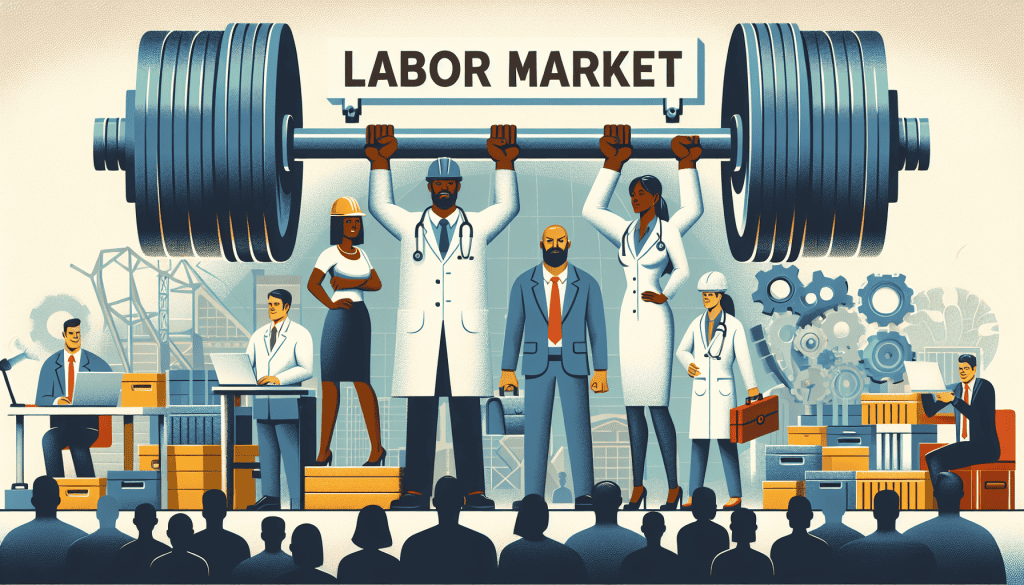
America’s employment landscape is experiencing a remarkable transformation that’s capturing attention from Wall Street to Main Street. The current labor market strength has reached levels not seen in decades, creating a ripple effect across industries, communities, and household budgets nationwide. This unprecedented employment surge is fundamentally altering how economists, policymakers, and business leaders view the nation’s economic trajectory.
The numbers tell a compelling story. Unemployment rates have dropped to historically low levels while job creation continues at a robust pace across multiple sectors. Manufacturing, healthcare, technology, and professional services are all reporting significant hiring increases, with many companies struggling to fill open positions rather than laying off workers. This shift represents a dramatic reversal from previous economic cycles and highlights the exceptional nature of current labor market strength.
Wage growth has become particularly noteworthy, with average hourly earnings climbing steadily as employers compete for talent in an increasingly tight job market. This upward pressure on wages reflects the fundamental supply-and-demand dynamics at play when labor market strength reaches these levels. Workers across skill levels are experiencing improved bargaining power, leading to better compensation packages, enhanced benefits, and more flexible working arrangements.
Regional Variations Paint a Complex Picture
While national trends are overwhelmingly positive, regional differences in labor market strength reveal interesting patterns across the country. Metropolitan areas with strong technology and finance sectors are experiencing particularly acute labor shortages, driving wages up rapidly in these markets. Meanwhile, traditionally industrial regions are seeing a renaissance as manufacturing jobs return and infrastructure investments create new opportunities.
Small and medium-sized businesses are feeling both the benefits and challenges of this robust employment environment. Many report increased consumer spending as more Americans enjoy steady employment and rising wages. However, these same businesses often struggle with their own hiring needs, forcing them to increase wages, improve working conditions, and offer more attractive benefits packages to attract and retain employees.
Economic Implications Extend Beyond Employment
The current labor market strength is creating cascading effects throughout the broader economy. Consumer confidence has surged as job security improves and wages rise, leading to increased spending on everything from housing to luxury goods. This increased consumer activity is generating additional economic momentum, creating a positive feedback loop that supports further job creation and economic expansion.
Federal Reserve officials are closely monitoring these developments, as sustained labor market strength can influence monetary policy decisions. The relationship between employment levels, wage growth, and inflation remains a key consideration for policymakers seeking to maintain economic stability while supporting continued growth.
Business investment patterns are also shifting in response to labor market dynamics. Companies are investing more heavily in automation and productivity-enhancing technologies, not necessarily to replace workers, but to maximize the output of their existing workforce in an environment where finding additional employees has become increasingly challenging.
The sustained nature of America’s current labor market strength suggests this isn’t merely a temporary phenomenon but rather a fundamental shift in employment dynamics. As businesses adapt to persistent labor shortages and workers enjoy improved opportunities, the economic landscape continues evolving in ways that could define the nation’s prosperity for years to come. This transformation represents more than just favorable statistics—it’s reshaping the American dream itself, offering renewed hope for economic mobility and financial security across diverse communities nationwide.