


















Wall Street’s most influential players are making calculated moves as multiple indicators suggest a significant market correction warning is materializing across major indices. From Goldman Sachs to BlackRock, institutional investors are quietly repositioning their portfolios while publicly maintaining measured optimism about market conditions.
The recent surge in volatility metrics has caught the attention of seasoned analysts who remember similar patterns preceding previous market downturns. The VIX has climbed above 25 for three consecutive weeks, while credit spreads have widened significantly across corporate bond markets. These technical indicators, combined with elevated valuations in key sectors, have prompted many institutional investors to reduce their equity exposure.
JPMorgan Chase’s latest client advisory note reveals that the bank has lowered its equity allocation recommendations from 65% to 55% for balanced portfolios. Chief Investment Strategist Maria Rodriguez explains that while the fundamentals remain relatively strong, the risk-reward profile has shifted unfavorably. “We’re not calling for a crash, but the market correction warning signs are too numerous to ignore,” she stated during a recent client webinar.
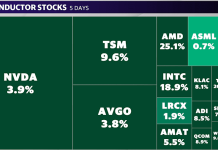
Goldman Sachs has taken a more aggressive stance, with their proprietary trading desk reportedly reducing long positions by approximately 30% over the past month. Internal documents suggest the firm is particularly concerned about the technology sector’s concentration risk, where just five companies represent nearly 25% of the S&P 500’s total market capitalization. This concentration has amplified concerns that any significant selloff in these mega-cap stocks could trigger broader market instability.
Hedge fund positioning data from prime brokerage reports shows a notable shift toward defensive strategies. Long-short equity funds have increased their short positions to levels not seen since early 2023, while many quantitative funds have reduced their market beta exposure. Renaissance Technologies, one of the industry’s most successful quantitative managers, has reportedly moved to a near-market-neutral position across its flagship Medallion Fund.
The bond market is providing additional confirmation of the market correction warning sentiment. Treasury yields have inverted across multiple parts of the curve, with the 2-year/10-year spread reaching its most negative level in eighteen months. Corporate bond issuance has slowed dramatically, with many companies postponing planned debt offerings until market conditions stabilize.
Regional banks are exhibiting particular caution, with several major institutions tightening lending standards and increasing their cash reserves. Bank of America’s latest earnings call revealed that the institution has increased its cash position by $45 billion over the previous quarter, citing “uncertain market conditions and potential volatility ahead.”
Retail investor sentiment, as measured by the American Association of Individual Investors weekly survey, has turned decidedly bearish, with bullish sentiment falling to just 28% – well below the historical average of 38%. This contrarian indicator has historically preceded market bottoms, though timing remains unpredictable.
International markets are reflecting similar caution, with European and Asian institutional investors reducing their U.S. equity allocations. The strengthening dollar has added another layer of complexity for foreign investors, who face currency headwinds in addition to market volatility concerns.
As Wall Street continues to navigate these challenging conditions, the consensus appears to favor patience and defensive positioning rather than aggressive market timing. While no one can predict exactly when or how severely a correction might unfold, the institutional response suggests that market correction warning signals are being taken seriously by those who manage the largest pools of capital. Smart investors are watching these institutional moves closely, understanding that where Wall Street leads, broader markets often follow.