


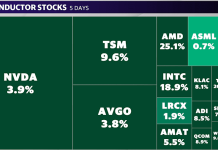

















The stock market’s impressive trajectory continues to reward investors who embrace a well-crafted growth portfolio strategy. While traditional value investing maintains its place in many portfolios, growth-focused approaches are capturing significant market momentum by targeting companies with exceptional expansion potential and innovative business models.
A growth portfolio strategy centers on identifying and investing in companies demonstrating above-average earnings growth, typically characterized by expanding market share, innovative products, and strong competitive advantages. These companies often reinvest profits into research, development, and market expansion rather than paying substantial dividends, making them attractive to investors seeking capital appreciation over income generation.
Technology sector dominance exemplifies why growth portfolio strategy remains compelling. Companies specializing in artificial intelligence, cloud computing, and automation continue posting robust revenue growth rates that significantly exceed broader market averages. Major technology firms have delivered consistent double-digit earnings growth while expanding into new market segments and geographic regions.
The healthcare and biotechnology sectors also present compelling growth opportunities within a diversified growth portfolio strategy. Breakthrough therapies, personalized medicine advances, and an aging global population create sustained demand for innovative medical solutions. Companies developing cutting-edge treatments and medical devices frequently experience explosive growth phases that can generate substantial returns for patient investors.
Key Components of Effective Growth Portfolio Strategy
Successful growth portfolio strategy implementation requires careful attention to several critical factors. Revenue growth consistency ranks among the most important metrics, as companies demonstrating steady quarterly increases typically possess sustainable competitive advantages and market positioning. Profit margin expansion indicates operational efficiency improvements and pricing power, both essential for long-term growth sustainability.
Market opportunity size significantly influences growth potential. Companies operating in large, expanding markets with multiple growth vectors typically outperform those constrained by market maturity or size limitations. Strong management teams with proven track records of execution and strategic vision often separate exceptional growth companies from mediocre performers.
Geographic diversification within a growth portfolio strategy helps capture global expansion opportunities while reducing concentration risk. Companies successfully penetrating international markets often experience accelerated growth phases as they leverage existing products and services across broader customer bases.
Risk Management and Portfolio Construction
While growth portfolio strategy offers compelling return potential, prudent risk management remains essential. Growth stocks typically exhibit higher volatility than their value counterparts, requiring investors to maintain appropriate position sizing and diversification across sectors and company stages.
Combining established growth leaders with emerging growth companies creates balanced exposure to different growth phases and risk profiles. Mature growth companies provide stability and consistent performance, while smaller, emerging growth stocks offer higher return potential albeit with increased volatility.
Dollar-cost averaging into growth positions helps smooth out timing risks associated with market volatility. This approach allows investors to build positions gradually while potentially benefiting from temporary price fluctuations that create attractive entry points.
The compelling performance of growth portfolio strategy reflects fundamental economic trends driving innovation, digital transformation, and evolving consumer preferences. Companies positioned to benefit from these long-term trends continue attracting investor capital and generating superior returns. As markets evolve and new growth opportunities emerge, investors maintaining disciplined growth portfolio strategy approaches while adapting to changing market conditions are well-positioned to capture ongoing market gains and build long-term wealth through strategic growth investing.