



















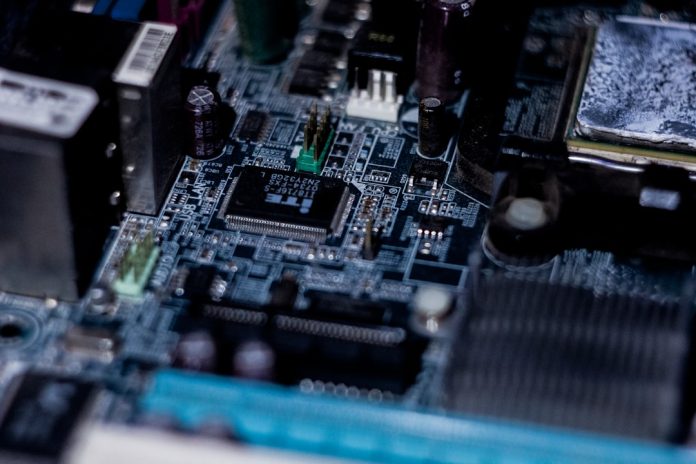
The global semiconductor industry is experiencing an extraordinary transformation that’s sending shockwaves through financial markets and reshaping investment strategies worldwide. This semiconductor demand surge isn’t just another cyclical upturn—it represents a fundamental shift in how technology permeates every aspect of modern life, from artificial intelligence to electric vehicles, creating unprecedented opportunities for savvy investors who understand the underlying dynamics.
Multiple converging forces are driving this remarkable growth trajectory. The explosive expansion of artificial intelligence applications has created an insatiable appetite for specialized chips, particularly high-performance graphics processing units and custom silicon designed for machine learning workloads. Simultaneously, the automotive industry’s accelerating transition toward electric vehicles and autonomous driving systems has transformed cars into sophisticated computing platforms, each requiring dozens of advanced semiconductors that didn’t exist in traditional combustion engines.
The data center modernization wave represents another critical pillar supporting the semiconductor demand surge. Cloud computing giants are investing hundreds of billions of dollars in infrastructure upgrades, driven by the need to support AI workloads, edge computing initiatives, and the ever-growing digital economy. These facilities require cutting-edge processors, memory chips, and networking semiconductors that can handle massive computational loads while maintaining energy efficiency standards that previous generations couldn’t achieve.
Geopolitical factors have added another layer of complexity and opportunity to the semiconductor landscape. Government initiatives promoting domestic chip manufacturing have unleashed substantial capital investments across multiple regions. The United States CHIPS Act, European Chips Act, and similar programs in Asia are creating new manufacturing hubs and driving demand for the sophisticated equipment and materials needed to build state-of-the-art fabrication facilities.
From an investment perspective, this semiconductor demand surge has created distinct winners across different segments of the value chain. Pure-play chip designers specializing in AI and data center applications have seen their valuations soar as customers compete for limited production capacity. Memory manufacturers are benefiting from the exponential growth in data generation and storage requirements, while equipment suppliers are experiencing unprecedented order backlogs as foundries race to expand their production capabilities.
The financial metrics supporting this growth story are compelling. Leading semiconductor companies are reporting revenue growth rates that haven’t been seen since the early days of the internet boom, accompanied by expanding profit margins as demand outstrips supply across multiple product categories. Forward-looking indicators suggest this trend has substantial room to run, with industry analysts projecting that current capacity expansion efforts won’t fully meet demand until well into the next decade.
However, investors must navigate several important considerations when positioning for this opportunity. Supply chain complexity remains a significant factor, as semiconductor manufacturing involves hundreds of specialized components and materials sourced globally. Companies with strong supplier relationships and diversified manufacturing footprints are better positioned to capitalize on growth opportunities while managing operational risks.
The competitive landscape within the semiconductor demand surge is rapidly evolving, with traditional market leaders facing challenges from emerging players and new technologies. Companies that can successfully innovate while scaling production are likely to capture disproportionate value creation, while those that fall behind technologically or struggle with execution may find their market positions eroding despite overall industry growth.
Looking ahead, several emerging trends could further accelerate semiconductor demand. The rollout of next-generation wireless networks, expansion of Internet of Things applications, and development of quantum computing technologies all represent potential catalysts that could extend this growth cycle well beyond current projections. Additionally, sustainability initiatives are driving demand for more energy-efficient chips across all applications, creating opportunities for companies that can deliver superior performance per watt.
The semiconductor demand surge represents one of the most significant technological and economic shifts of our time, offering investors exposure to the fundamental building blocks of the digital economy. Success in this sector requires understanding not just the technology trends driving demand, but also the complex manufacturing ecosystems, geopolitical factors, and competitive dynamics that will determine which companies ultimately benefit from this unprecedented growth opportunity. For investors willing to do their homework, the semiconductor industry’s transformation offers compelling long-term value creation potential across multiple investment horizons and risk profiles.