


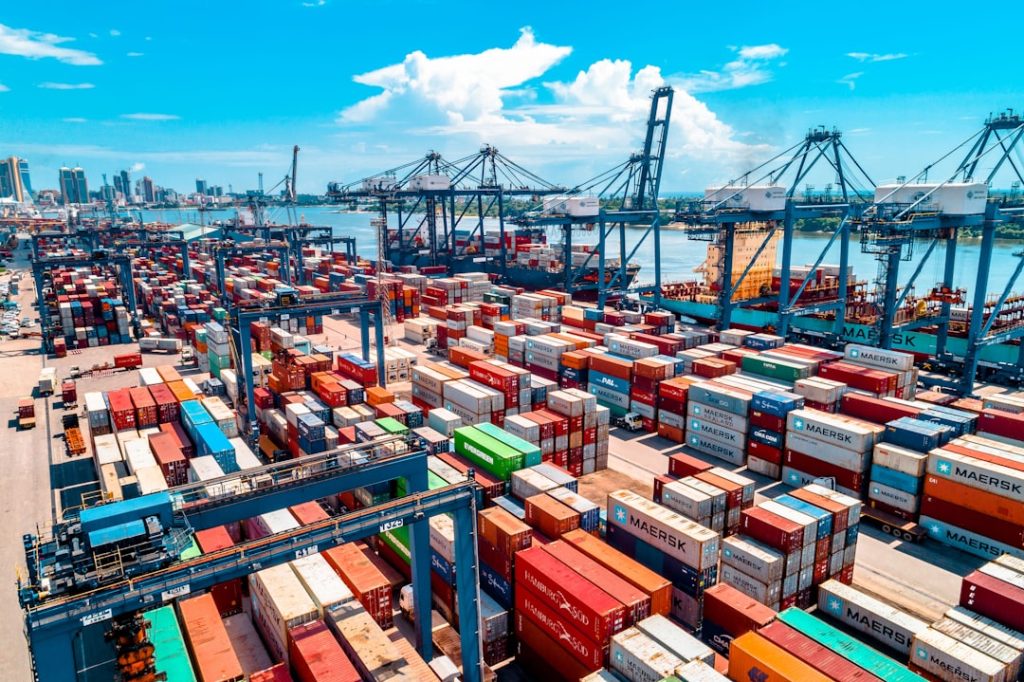
The intricate dance between international commerce and financial markets has never been more pronounced than in today’s hyperconnected global economy. When policymakers announce new trade agreements, impose tariffs, or restructure existing commercial relationships, the ripple effects cascade through stock exchanges, currency markets, and commodity prices with lightning speed. Understanding trade policy impact has become essential for investors, business leaders, and anyone seeking to navigate the modern financial landscape.
Trade policies fundamentally alter the cost structure of international business, creating winners and losers across entire industries. When tariffs increase on imported steel, for instance, domestic steel producers often see their stock prices surge as competitive pressure diminishes. Conversely, companies that rely heavily on imported steel—from automotive manufacturers to construction firms—face margin compression and potential stock price volatility. This immediate trade policy impact illustrates how regulatory decisions transform market dynamics in real time.
Currency markets demonstrate perhaps the most immediate sensitivity to trade policy announcements. A country’s currency typically strengthens when new trade agreements promise increased export opportunities or when protectionist measures suggest potential domestic economic benefits. However, the relationship proves more nuanced than simple cause and effect. Markets often price in anticipated policy changes weeks or months before implementation, creating volatility patterns that savvy traders learn to recognize and exploit.
The semiconductor industry provides a compelling case study in trade policy impact across global supply chains. When export restrictions limit technology transfers between major economies, chip manufacturers must rapidly reconfigure their production networks, sourcing strategies, and research partnerships. These operational changes translate directly into shifted profit margins, altered competitive positioning, and significant stock price movements. Companies with diversified supply chains often outperform those with concentrated geographic exposure during periods of trade tension.
Sectoral Analysis of Policy-Driven Market Shifts
Agricultural commodities showcase another dimension of trade policy impact, where weather patterns, seasonal cycles, and geopolitical relationships intersect with regulatory frameworks. Soybean futures, corn prices, and wheat contracts can swing dramatically based on trade agreement modifications or retaliatory tariff implementations. Farmers, food processors, and agricultural equipment manufacturers all experience cascading effects from these policy-driven price movements.
Technology stocks exhibit heightened sensitivity to trade policies affecting intellectual property protection, data transfer regulations, and cross-border investment restrictions. Software companies with significant international revenue streams must constantly adapt their business models to evolving regulatory landscapes. Cloud computing providers, social media platforms, and artificial intelligence developers face particular challenges when trade policies address digital governance and technological sovereignty.
Energy markets reflect trade policy impact through pipeline approvals, renewable energy incentives, and fossil fuel export regulations. Oil and gas companies navigate complex webs of international sanctions, environmental agreements, and strategic partnership restrictions. Meanwhile, renewable energy firms benefit from trade policies promoting clean technology adoption while facing challenges from supply chain disruptions affecting solar panels, wind turbines, and battery components.
Investment Strategies in a Policy-Driven Environment
Successful portfolio management increasingly requires sophisticated understanding of policy timing, implementation phases, and market adjustment periods. Professional investors deploy various hedging strategies to protect against adverse trade policy impact while positioning themselves to capitalize on favorable developments. Currency hedging, sector rotation, and geographic diversification become critical tools for managing policy-related risks.
Emerging markets often experience amplified trade policy impact due to their export-dependent economies and less liquid financial markets. When major economies adjust their trade relationships, smaller countries can see dramatic shifts in foreign investment flows, currency stability, and economic growth prospects. Investors in emerging market assets must carefully monitor policy developments in major trading partner nations.
Corporate earnings guidance increasingly incorporates trade policy scenarios, with management teams providing multiple forecasts based on different regulatory outcomes. This practice reflects the growing recognition that trade policy impact extends far beyond immediate tariff costs to encompass supply chain resilience, competitive positioning, and long-term strategic planning.
The intersection of trade policy and financial markets will continue evolving as global commerce becomes increasingly digital, sustainable, and service-oriented. Investors who develop sophisticated frameworks for analyzing trade policy impact while maintaining portfolio flexibility will be best positioned to thrive in this dynamic environment. The key lies not in predicting specific policy outcomes, but in building robust strategies that can adapt to various scenarios while capitalizing on the opportunities that policy-driven market dislocations invariably create.