













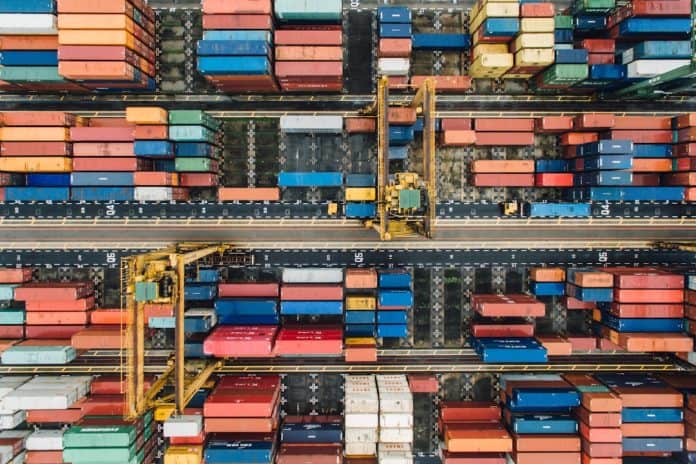
Global financial markets operate in a complex web of interconnected policies, regulations, and trade agreements that can shift investor sentiment and market dynamics within hours. The trade policy impact on financial markets has become increasingly pronounced as nations navigate protectionist measures, bilateral agreements, and evolving economic relationships that directly influence capital flows, currency valuations, and sector-specific performance.
Trade policies fundamentally alter the competitive landscape for businesses operating across borders. When governments impose tariffs, quotas, or trade restrictions, they create immediate ripple effects throughout financial markets. Companies heavily reliant on international supply chains experience volatility in their stock prices as investors reassess profit margins and operational costs. The trade policy impact extends beyond individual companies to entire sectors, with manufacturing, agriculture, and technology industries often bearing the most significant consequences of policy shifts.
Currency markets demonstrate some of the most immediate responses to trade policy announcements. Exchange rates fluctuate as traders anticipate changes in trade balances, import costs, and export revenues. A country implementing restrictive trade measures may see its currency strengthen initially due to perceived domestic protection, but longer-term effects often include reduced competitiveness and potential retaliation from trading partners. These currency movements create cascading effects across international investment portfolios and emerging market debt obligations.
The bond market reflects trade policy expectations through yield curve adjustments and credit spread modifications. Government bonds respond to anticipated fiscal impacts of trade policies, particularly when tariff revenues or trade-related tax changes affect national budgets. Corporate bonds experience sector-specific volatility as companies in trade-sensitive industries face altered risk profiles. Investment-grade ratings agencies consistently monitor trade policy developments as key factors in their credit assessments, recognizing the substantial influence on corporate earnings and debt servicing capabilities.
Equity markets showcase perhaps the most visible manifestations of trade policy impact through sector rotation and individual stock performance. Export-oriented companies face headwinds when trading partners implement retaliatory measures, while domestic-focused businesses may benefit from reduced foreign competition. Technology companies experience unique vulnerabilities due to complex global supply chains and intellectual property considerations embedded in modern trade agreements. Energy sector performance correlates strongly with trade policies affecting commodity flows and infrastructure development projects.
Emerging markets demonstrate heightened sensitivity to trade policy changes implemented by major economies. Countries dependent on commodity exports face significant volatility when trade policies affect demand patterns or pricing mechanisms for raw materials. Foreign direct investment flows respond to perceived stability and predictability in trade relationships, with policy uncertainty often triggering capital flight from vulnerable economies. The interconnected nature of global supply chains means that trade policy impacts rarely remain confined to the countries directly involved in policy implementation.
Regional trade agreements create winners and losers within financial markets as they reshape competitive advantages and market access opportunities. Companies positioned to benefit from preferential trading terms experience valuation premiums, while those excluded from favorable arrangements face headwinds. The trade policy impact of comprehensive regional agreements often takes years to fully materialize, creating long-term investment themes that sophisticated investors monitor closely.
Risk management strategies have evolved to incorporate trade policy analysis as a core component of portfolio construction and asset allocation decisions. Institutional investors increasingly employ dedicated policy analysis teams to assess potential trade policy scenarios and their market implications. Hedging strategies now commonly include trade policy risk as a distinct category alongside traditional market, credit, and operational risks.
The sophistication of trade policy impact analysis continues advancing as market participants recognize the fundamental role these policies play in shaping investment outcomes. Financial markets now price in trade policy expectations with remarkable efficiency, creating opportunities for investors who can accurately anticipate policy directions and their cascading effects across asset classes. Understanding these complex relationships has become essential for successful navigation of modern global financial markets, where trade policy decisions made in one country can instantly affect investment portfolios worldwide.