













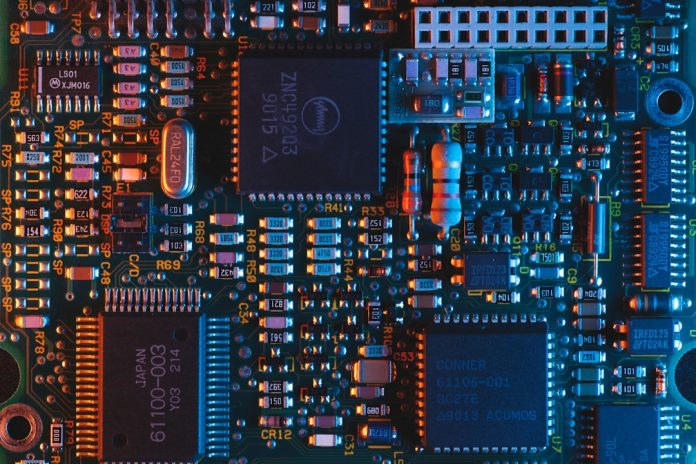
The American economy is experiencing a fundamental shift as an unprecedented semiconductor demand surge transforms entire market sectors. This technological revolution extends far beyond traditional chip manufacturers, creating ripple effects that are reshaping investment portfolios, supply chains, and economic forecasts across the nation.
The current semiconductor demand surge stems from multiple converging factors that have created a perfect storm of opportunity. Artificial intelligence applications continue expanding at an exponential rate, requiring increasingly sophisticated processors capable of handling massive computational workloads. Meanwhile, the automotive industry’s transition to electric vehicles and autonomous driving systems has created an entirely new category of semiconductor consumption, with modern vehicles requiring up to 3,000 chips compared to just 600 in traditional cars.
American markets are responding with remarkable vigor to this semiconductor demand surge. The PHLX Semiconductor Sector Index has outperformed the broader S&P 500 by significant margins, driven by companies ranging from established giants like Intel and NVIDIA to emerging players specializing in specialized chip architectures. This performance reflects not just current profitability but also investor confidence in the sector’s long-term growth trajectory.
Manufacturing capacity expansion represents another crucial dimension of how the semiconductor demand surge is moving markets. The CHIPS and Science Act continues driving domestic production capabilities, with new fabrication facilities breaking ground across states like Arizona, Texas, and Ohio. These massive infrastructure investments are creating construction jobs, attracting supporting industries, and establishing entire technology ecosystems that extend well beyond semiconductor production itself.
Supply chain dynamics have fundamentally altered as companies scramble to secure semiconductor access during this demand surge. Traditional just-in-time manufacturing models are giving way to strategic stockpiling, forcing businesses to tie up significantly more capital in inventory management. This shift affects everything from working capital requirements to cash flow patterns, influencing how analysts evaluate company performance across multiple industries.
The semiconductor demand surge is also driving unprecedented levels of merger and acquisition activity. Companies are pursuing vertical integration strategies, acquiring suppliers to ensure chip access, while private equity firms target semiconductor-adjacent businesses positioned to benefit from the ongoing expansion. These transactions are creating new market leaders and reshaping competitive landscapes in ways that will influence American markets for decades.
International trade implications add another layer of complexity to how the semiconductor demand surge affects American markets. Export opportunities for American semiconductor companies are expanding rapidly, particularly in markets where domestic production capabilities remain limited. However, this growth occurs against a backdrop of ongoing trade tensions and national security considerations that influence which markets American companies can access.
Investment patterns reveal how deeply the semiconductor demand surge has penetrated American financial markets. Exchange-traded funds focused on semiconductor exposure are attracting record inflows, while venture capital funding for chip startups has reached historic levels. This capital allocation reflects institutional recognition that semiconductor technology represents a foundational element of future economic growth rather than a cyclical opportunity.
The semiconductor demand surge continues reshaping American markets through its profound impact on innovation cycles, capital allocation, and competitive positioning across industries. As artificial intelligence, electric vehicles, and advanced manufacturing technologies mature, this demand surge appears positioned to drive sustained market transformation rather than temporary disruption. Investors and business leaders who understand these dynamics are positioning themselves to capitalize on one of the most significant technological and economic shifts in recent American history.