


















A dramatic surge in consumer sentiment has economists and investors taking notice as the latest data reveals the strongest consumer confidence rebound in nearly two years. The University of Michigan Consumer Sentiment Index jumped to 78.2 this month, marking a significant shift from the prolonged period of economic uncertainty that has gripped households across the nation.
This consumer confidence rebound represents more than just improved numbers on a chart—it signals a fundamental change in how Americans view their financial prospects and spending power. The index surge reflects growing optimism about employment stability, wage growth, and overall economic conditions, creating a ripple effect across multiple sectors of the economy.
The driving forces behind this remarkable turnaround paint a picture of economic resilience that many analysts didn’t anticipate. Unemployment rates have stabilized at healthy levels while inflation pressures continue to ease, providing households with greater purchasing power and financial breathing room. Additionally, wage growth has outpaced inflation in recent months, giving consumers tangible reasons to feel more optimistic about their financial futures.
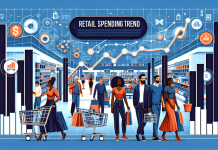
Retail executives are already reporting the early impacts of this consumer confidence rebound, with discretionary spending categories showing notable increases. Electronics retailers, furniture stores, and automotive dealers have observed increased foot traffic and higher conversion rates as consumers demonstrate greater willingness to make significant purchases they had previously delayed.
The housing market, long considered a barometer of consumer sentiment, is experiencing renewed activity as well. Mortgage applications have increased by 18% over the past month, suggesting that improved consumer confidence is translating into major life decisions like home purchases and refinancing activities.
Financial markets have responded positively to news of the consumer confidence rebound, with consumer discretionary stocks leading recent gains. Companies heavily dependent on consumer spending have seen their valuations improve as investors anticipate stronger quarterly earnings driven by increased consumer activity.
However, economists caution that sustaining this consumer confidence rebound will require continued positive economic indicators. Key factors to monitor include employment data, inflation trends, and geopolitical stability, all of which can significantly impact consumer sentiment in either direction.
The regional variations in this confidence surge also tell an interesting story. Metropolitan areas with diverse economic bases are experiencing the strongest rebounds, while regions heavily dependent on single industries show more modest improvements. This pattern suggests that economic diversification continues to play a crucial role in consumer sentiment stability.
Looking ahead, the sustainability of this consumer confidence rebound will largely depend on whether current positive trends continue. Corporate earnings reports in the coming quarters will provide crucial insights into whether increased consumer optimism is translating into actual spending patterns and business growth.
The implications extend beyond immediate economic metrics, as sustained consumer confidence typically correlates with broader economic expansion, job creation, and investment activity. This creates a positive feedback loop where improved sentiment drives economic activity, which in turn supports continued confidence growth. For investors, businesses, and policymakers alike, this consumer confidence rebound represents a pivotal moment that could define economic trajectory for months to come.