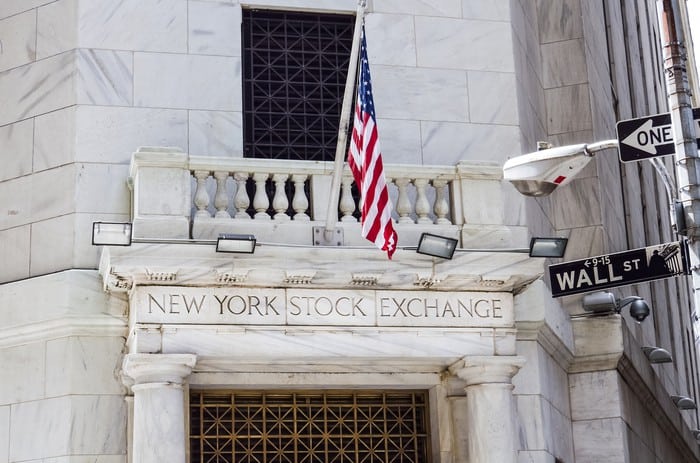














Trading floors across Wall Street are buzzing with conversations about a metric that’s capturing unprecedented attention from institutional investors and retail traders alike. The market breadth indicator, once relegated to the domain of technical analysis purists, has emerged as a critical barometer for understanding the true health of market rallies and potential warning signs of broader weakness.
This shift in focus reflects a sophisticated evolution in how professional investors are interpreting market movements. Rather than fixating solely on headline indices like the S&P 500 or Dow Jones, seasoned traders are diving deeper into the underlying participation patterns that drive these movements. The market breadth indicator provides this crucial insight by measuring how many individual stocks are participating in a market move, offering a more nuanced view of market sentiment than traditional price-based metrics alone.
Recent trading sessions have highlighted why this metric has become so valuable. While major indices might post impressive gains, a closer examination through the lens of market breadth often reveals a more complex story. When only a handful of large-cap technology stocks drive index performance while hundreds of smaller companies lag behind, the market breadth indicator quickly identifies this divergence. This pattern has become increasingly relevant as passive investing has concentrated more capital in index-weighted positions, potentially masking underlying market fragility.
Investment strategists at major Wall Street firms are incorporating these insights into their research reports and client recommendations with growing frequency. Goldman Sachs analysts recently noted that periods of narrow market breadth often precede significant market corrections, while broad-based rallies supported by strong breadth metrics tend to be more sustainable. This analysis has prompted many institutional investors to reassess their portfolio construction and risk management strategies.
Professional Trading Strategies Evolve Around Breadth Analysis
The practical applications of market breadth indicator analysis extend far beyond simple market timing. Hedge funds are developing sophisticated algorithms that incorporate multiple breadth measures, including advance-decline ratios, new highs versus new lows, and sector rotation patterns. These quantitative approaches allow portfolio managers to identify emerging trends before they become apparent in traditional price charts or fundamental analysis.
Options traders have also embraced breadth analysis as a crucial component of their decision-making process. When the market breadth indicator suggests broad-based strength, options strategies might favor bullish positions across multiple sectors. Conversely, when breadth narrows significantly, defensive strategies and hedging activities often increase substantially.
The integration of artificial intelligence and machine learning technologies has further amplified the importance of market breadth data. Advanced trading systems can now process vast amounts of breadth-related information in real-time, identifying subtle patterns that human analysts might miss. These systems often combine traditional market breadth indicator readings with alternative data sources, including social media sentiment and economic indicators, creating more comprehensive market assessment tools.
Retail Investors Join the Breadth Revolution
Perhaps most notably, retail investors are increasingly incorporating breadth analysis into their investment approaches. Online trading platforms and financial education resources have made these once-esoteric indicators more accessible to individual investors. Social media communities dedicated to technical analysis frequently share breadth-related insights, democratizing knowledge that was previously concentrated among institutional players.
This broader adoption has created interesting feedback loops in the market. As more participants react to market breadth indicator signals, these metrics themselves may influence market behavior in ways that weren’t historically observed. Some analysts argue this increased awareness might reduce the predictive power of certain breadth measures, while others contend that the fundamental principles underlying breadth analysis remain robust regardless of participation levels.
The growing emphasis on market breadth indicators represents more than just a temporary shift in analytical fashion. It reflects a maturing understanding of market dynamics in an era of algorithm-driven trading, concentrated index investing, and increasingly complex global interconnections. As Wall Street continues to refine its approach to breadth analysis, investors who understand these concepts will likely maintain significant advantages in navigating future market cycles and identifying opportunities that less sophisticated approaches might overlook.