


















Financial markets worldwide are experiencing unprecedented volatility as governments implement sweeping trade policy reforms that fundamentally alter the economic playing field. The ripple effects of these policy shifts extend far beyond traditional import-export relationships, creating cascading consequences that touch every corner of the global financial system. Understanding the trade policy impact on modern economies has become essential for investors, businesses, and policymakers navigating an increasingly interconnected world.
Recent data from major trading blocs reveals how policy adjustments create immediate market responses, with currency fluctuations, commodity price swings, and equity market movements occurring within hours of policy announcements. The speed at which these changes propagate through global financial networks demonstrates the sophisticated interconnectedness of modern trade relationships. When major economies adjust tariff structures or modify trade agreements, the resulting shockwaves affect supply chain costs, corporate profit margins, and consumer pricing across multiple sectors simultaneously.
Manufacturing industries face particularly acute challenges as trade policy modifications alter the competitive landscape overnight. Companies that previously enjoyed cost advantages through established supply chains must rapidly recalculate their operational strategies when new tariffs or trade restrictions emerge. The trade policy impact manifests most visibly in sectors heavily dependent on cross-border component sourcing, where even modest policy adjustments can significantly affect production costs and final product pricing.
Currency markets serve as sensitive barometers for measuring trade policy effectiveness, with exchange rate movements often providing the first indication of how international investors perceive new policy directions. Central banks monitor these fluctuations closely, as dramatic currency swings can complicate monetary policy implementation and affect inflation targeting strategies. The interconnected nature of modern currency markets means that trade policy decisions in one major economy can trigger adjustments in monetary policies across multiple countries.
Agricultural commodities represent another arena where trade policy impact creates substantial market disruption. Export-dependent farming communities often experience immediate effects from policy changes, as access to international markets can shift dramatically based on new trade agreements or restrictions. The complexity of agricultural trade relationships means that policy modifications affecting one commodity often create unexpected consequences for entirely different agricultural sectors, as buyers and sellers adjust their strategies to accommodate new market realities.
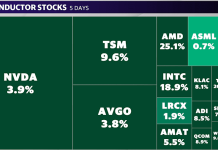
Technology sectors face unique challenges in the current trade policy environment, as intellectual property protections, technology transfer requirements, and market access restrictions increasingly become central elements of international trade negotiations. Companies operating in advanced technology fields must navigate complex regulatory environments that can change rapidly based on evolving policy priorities. The trade policy impact in technology sectors often extends beyond immediate commercial considerations, as governments increasingly view technological capabilities as strategic national assets requiring protection through policy mechanisms.
Emerging markets experience amplified effects from trade policy changes implemented by major economies, as their smaller economic scale makes them more vulnerable to external shocks. When developed nations modify their trade policies, emerging market currencies, bond markets, and equity valuations often experience disproportionate volatility. This dynamic creates challenging conditions for emerging market policymakers, who must balance domestic economic priorities against the need to maintain stable relationships with major trading partners.
Financial institutions find themselves at the center of trade policy impact analysis, as their role in facilitating international transactions makes them sensitive to policy-induced changes in trade flows. Banks specializing in trade finance must continuously adjust their risk assessment models as policy changes alter the credit profiles of different industries and geographic regions. The complexity of modern trade finance means that policy modifications can affect lending capacity, interest rate spreads, and regulatory capital requirements across the banking sector.
Investment managers are increasingly incorporating trade policy analysis into their portfolio construction processes, recognizing that policy changes can create both significant risks and substantial opportunities. The ability to anticipate and position for trade policy impact has become a crucial skill for professional investors, as policy-driven market movements can generate substantial returns for those positioned correctly. This dynamic has led to increased investment in policy analysis capabilities and the development of sophisticated models for predicting policy outcomes and market responses.
The evolving landscape of international trade policy continues to reshape global financial markets in ways that demand constant attention from market participants. As governments balance domestic economic priorities against international cooperation requirements, the resulting policy adjustments create ongoing challenges and opportunities for businesses and investors. Successfully navigating this environment requires not only understanding current policy directions but also developing the analytical capabilities to anticipate future changes and their potential market consequences. The trade policy impact on global financial markets represents one of the defining characteristics of the contemporary economic environment, making policy literacy an essential skill for anyone engaged in international business or investment activities.