



















As markets gear up for another quarterly reporting cycle, the earnings season outlook has never carried more weight for American investors. With inflation concerns moderating, interest rate discussions intensifying, and technological disruption reshaping entire industries, this upcoming earnings period promises to deliver crucial insights into corporate America’s resilience and growth trajectory.
The convergence of macroeconomic factors, sector-specific challenges, and evolving consumer behaviors creates a complex landscape that demands careful analysis. Investors who understand these dynamics and position themselves accordingly stand to benefit significantly from the opportunities that lie ahead.
Technology Sector Leads Earnings Expectations Despite AI Investment Concerns
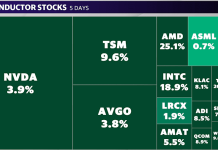
The technology sector dominates the earnings season outlook, with artificial intelligence investments taking center stage in investor discussions. Major tech companies have poured billions into AI infrastructure, and shareholders are demanding concrete returns on these massive expenditures. Analysts expect revenue growth to accelerate among cloud computing leaders, while semiconductor companies face scrutiny over their ability to meet surging AI chip demand.
Software-as-a-service companies present a mixed picture, with enterprise clients showing selective spending patterns. Companies demonstrating clear AI integration and productivity improvements are commanding premium valuations, while traditional software providers face margin pressure. The earnings season outlook suggests that tech companies with diversified revenue streams and strong cash positions will outperform peers heavily dependent on single product lines or markets.
Financial Services Navigate Interest Rate Environment and Credit Quality Metrics
Banking institutions enter this earnings cycle with cautious optimism, as the interest rate environment continues to support net interest margins. However, the earnings season outlook reveals growing concerns about credit quality, particularly in commercial real estate and consumer lending portfolios. Regional banks face heightened scrutiny following recent industry consolidation and regulatory changes.
Insurance companies are expected to report strong underwriting results, benefiting from disciplined pricing strategies and reduced catastrophic losses in recent quarters. Investment banking revenues show signs of recovery, with merger and acquisition activity picking up momentum across multiple sectors. Wealth management divisions continue generating stable fee income, providing earnings stability for diversified financial services firms.
Healthcare and Consumer Staples Offer Defensive Positioning Amid Economic Uncertainty
Healthcare companies represent a cornerstone of the defensive earnings season outlook, with pharmaceutical giants expected to report steady revenue growth from newly launched medications and expanding global markets. Biotechnology firms face a bifurcated environment, where companies with approved therapies thrive while those dependent on capital markets for funding encounter challenges.
Consumer staples companies navigate a complex pricing environment, balancing input cost pressures with consumer price sensitivity. Essential goods manufacturers demonstrate pricing power, while discretionary spending categories show vulnerability to economic headwinds. The earnings season outlook indicates that companies with strong brand loyalty and efficient supply chains will maintain competitive advantages over generic and private-label competitors.
Energy and Industrial Sectors Reflect Economic Transition and Infrastructure Spending
Energy companies enter earnings season with improved operational efficiency and disciplined capital allocation strategies. Renewable energy firms benefit from continued infrastructure investments and favorable regulatory environments, while traditional oil and gas companies focus on shareholder returns through dividends and share buybacks. The earnings season outlook suggests that energy companies with diversified portfolios spanning traditional and renewable sources will attract investor interest.
Industrial manufacturers capitalize on infrastructure spending initiatives and reshoring trends, though they face headwinds from elevated raw material costs and labor market tightness. Aerospace and defense contractors report strong order backlogs, while construction equipment manufacturers benefit from continued commercial and residential building activity. Companies with exposure to automation and robotics themes show particular strength in forward guidance discussions.
The earnings season outlook presents both opportunities and challenges for American investors willing to dig deeper into company fundamentals and sector dynamics. Success in this environment requires balancing growth potential with defensive characteristics, while maintaining focus on companies that demonstrate adaptability in rapidly changing market conditions. Investors who approach this earnings cycle with thorough research and strategic positioning will be best prepared to navigate the volatility and capitalize on emerging opportunities across diverse market sectors.