













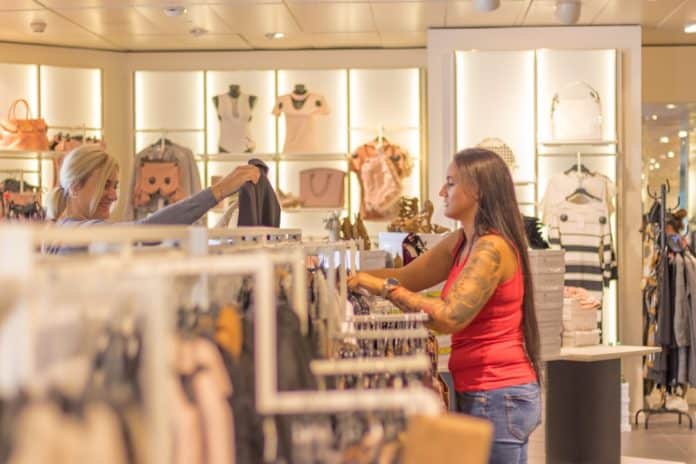
A remarkable transformation is sweeping across American consumer behavior, with the latest retail spending trend data painting a picture of an economy in transition. Shoppers are fundamentally altering their purchasing patterns in ways that haven’t been seen since the early 2000s, creating ripple effects throughout the entire retail ecosystem.
The most striking aspect of the current retail spending trend involves the dramatic shift toward value-conscious purchasing decisions. Consumers are increasingly abandoning brand loyalty in favor of products that offer superior cost-per-use ratios. This behavioral change has caught many established retailers off guard, as traditional marketing strategies focused on brand prestige lose their effectiveness against the rising tide of pragmatic shopping habits.
Economic pressures certainly play a role, but the data suggests something deeper is occurring. Middle-income households, historically the backbone of discretionary spending, are reallocating their budgets with surgical precision. They’re cutting back on impulse purchases while maintaining or even increasing spending on items they perceive as investments in their quality of life or long-term financial stability.
The retail spending trend is particularly pronounced in the technology sector, where consumers are holding onto devices longer and choosing refurbished or previous-generation models over the latest releases. This shift has forced electronics retailers to completely reimagine their inventory strategies and profit models. Meanwhile, home improvement and educational spending categories continue to show robust growth, indicating that consumers view these purchases as essential rather than discretionary.
Geographic variations in spending patterns reveal fascinating insights about regional economic conditions and cultural preferences. Urban areas show a pronounced tilt toward experience-based spending, with restaurant visits and entertainment purchases recovering strongly. Rural communities, conversely, are driving growth in practical goods categories, particularly items related to self-sufficiency and home-based activities.
The acceleration of online shopping continues to reshape the retail spending trend landscape, but not in the ways many predicted. Rather than simply moving existing purchase patterns to digital platforms, consumers are using online channels to research extensively before making purchases, often buying online but picking up in-store to avoid shipping costs. This hybrid approach is forcing retailers to develop more sophisticated omnichannel strategies.
Small businesses are experiencing the most dramatic impacts from these shifting consumer behaviors. Local retailers who have successfully adapted to the current retail spending trend are those who have positioned themselves as community-focused alternatives to large chains, emphasizing personalized service and unique product selections that can’t be easily replicated online.
Credit card spending data reveals that payment method preferences are also evolving alongside purchase patterns. Consumers are increasingly using cash or debit cards for smaller purchases while reserving credit for larger, planned expenditures. This suggests a more deliberate approach to debt management that could have long-lasting implications for consumer credit markets.
The seasonal nature of retail spending is becoming less predictable as traditional holiday shopping patterns fragment. Back-to-school spending now extends over several months rather than concentrating in late summer, while holiday purchases are increasingly spread throughout the fourth quarter rather than spiking dramatically in December.
International supply chain disruptions continue to influence domestic spending patterns, with consumers increasingly willing to pay premium prices for products that are reliably available. This reliability premium has created opportunities for domestic manufacturers and retailers who can guarantee consistent inventory levels.
Looking at demographic breakdowns, younger consumers are driving much of the innovation in spending patterns. They’re more likely to prioritize sustainability and ethical business practices in their purchasing decisions, even when these preferences come with higher price points. This generational shift is forcing retailers across all categories to reevaluate their sourcing and marketing strategies.
The current retail spending trend represents more than a temporary adjustment to economic conditions—it signals a fundamental realignment of consumer priorities that will likely persist long after immediate economic pressures ease. Retailers who recognize this shift as permanent rather than cyclical will be best positioned to capture market share in an increasingly competitive landscape. Understanding these evolving patterns isn’t just valuable for businesses; it provides crucial insights into the broader economic forces shaping our financial future.